
Domestic manufacturing offers superior supply chain resilience and faster speed to market by eliminating international shipping delays. Key domestic manufacturing reshoring benefits 2026 include enhanced product quality control, reduced logistics costs, and the ability to leverage advanced AI technologies locally. These advantages help companies mitigate global risks while improving overall operational agility.
Tired of waiting months for critical components only to find they fail your quality inspections upon arrival? For years, companies accepted these logistical headaches as the price of doing business; however, the landscape of 2026 demands a more resilient approach. Domestic manufacturing has evolved from a sentimental preference into a strategic imperative for organizations that value precision and speed. This article explores the tangible advantages of reshoring, including how shortening your supply chain from months to weeks safeguards your operations. You will discover the specific economic drivers making American production more competitive than ever, the importance of domestic IP security, and how partnering with a specialized shop in Utah can solidify your competitive edge in an increasingly volatile global market.
The 2026 Reshoring Shift: Why American Manufacturing is Making a Comeback
The 2026 economic landscape marks a definitive departure from the historical reliance on offshore production. While the previous two decades prioritized the lowest possible unit cost through offshore labor, the current environment demands resilience, precision, and proximity. Recent industry data confirms this pivot; approximately 69 percent of US manufacturers have actively begun reshoring their supply chains. More importantly, 94 percent of those firms report that the transition is meeting or exceeding their expectations.
This shift is largely driven by the 2025 tariff environment and a more sophisticated understanding of the total cost of ownership. Businesses have realized that low offshore labor rates often mask expensive hidden costs, ranging from logistics volatility to quality defects. Today, the focus has moved toward risk mitigation and sustainable production cycles. By prioritizing domestic manufacturing reshoring benefits 2026, companies are reclaiming control over their operations and reducing their exposure to global geopolitical instability.
At Snow Manufacturing in Fillmore, Utah, we operate as a direct practitioner of this movement. We provide manufacturing and production solutions that emphasize durability and repeatability. Our operations are built on the philosophy that modern equipment and skilled local labor outweigh the perceived savings of distant, opaque supply chains. By aligning engineering and production in a centralized domestic facility, we help our partners bring products to market with greater accountability and efficiency.
Uncompromising Quality Control and Precision Standards
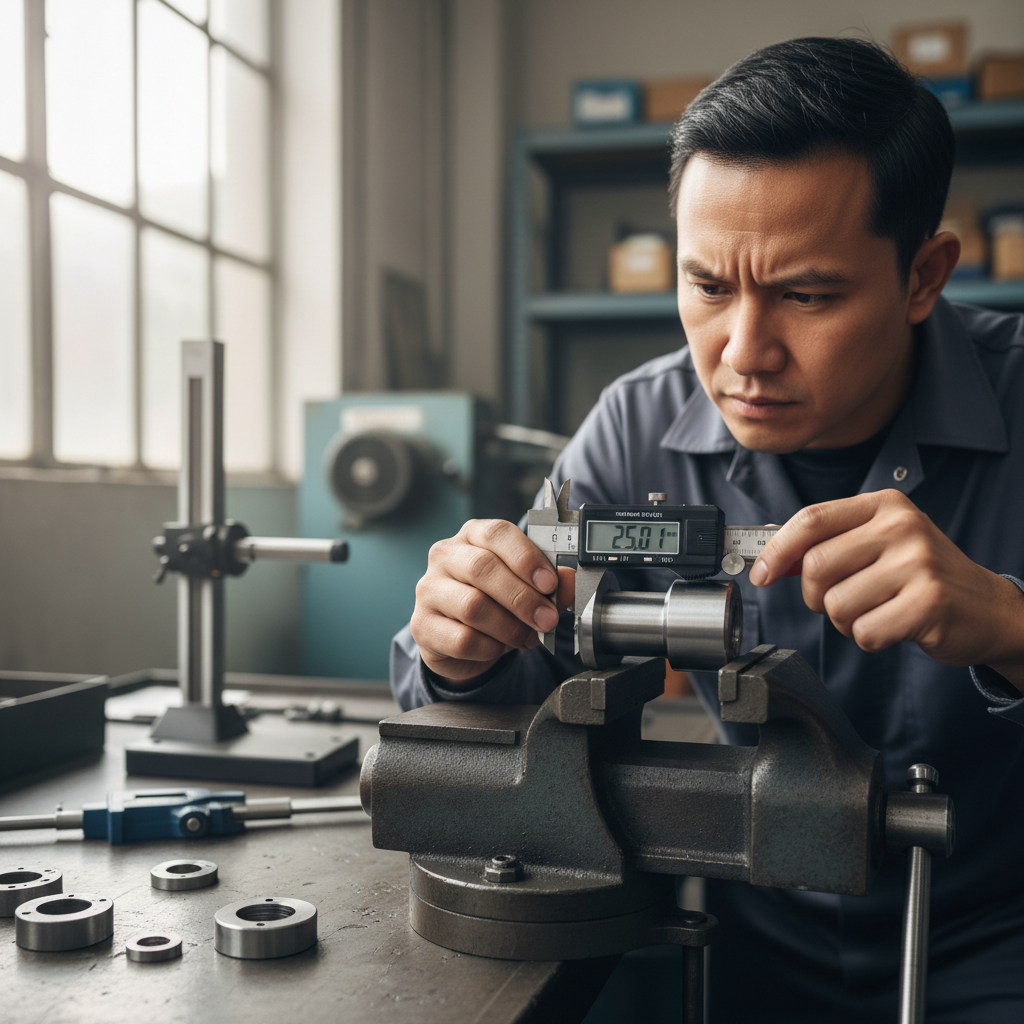
Offshore production often operates as a "black box," where communication delays and distance obscure the manufacturing process. When a product is built thousands of miles away, quality control becomes a reactive process, often discovered only after a shipping container arrives and the inventory is inspected. Domestic manufacturing changes this dynamic by providing total transparency. Operating within the same time zones and under shared regulatory frameworks, such as ISO and NIST standards, ensures that every component meets rigorous, repeatable benchmarks.
One of the primary domestic manufacturing reshoring benefits 2026 is the immediate accountability that comes from geographic proximity. At Snow Manufacturing, we emphasize a tight alignment between engineering and the production floor. This proximity allows for real-time adjustments and rigorous oversight that distant facilities simply cannot replicate. When designers can communicate directly with the machinists and operators handling the equipment, the likelihood of defects and returns drops significantly.
Furthermore, the reliability of US-based production is rooted in a culture of precision. We utilize modern equipment and skilled processes to ensure that finished goods perform in demanding, real-world environments. While research suggests that domestic manufacturing capacity has been underutilized relative to long-run averages, the current shift toward reshoring is filling that gap with high-complexity work that requires constant feedback loops. By eliminating the disconnect between the drawing board and the factory floor, we provide manufacturing and production solutions that prioritize durability and consistency, ensuring that the first unit is as precise as the ten-thousandth.
Slashing Lead Times: From Months to Weeks

In the current market, precision is only valuable if the product reaches the assembly line when it is needed. One of the most tangible domestic manufacturing reshoring benefits 2026 is the drastic reduction in total lead time. When production is offshore, companies must factor in a 4 to 6 week ocean freight window as a baseline. This delay is often compounded by the volatility of port congestion and labor disputes; these variables can turn a one-month shipping estimate into a three-month logistical bottleneck. By moving production to a domestic facility, these external risks are eliminated, replacing months of transit with days of domestic trucking.
This proximity has fueled a 2026 revival of Just In Time (JIT) manufacturing principles. Unlike the fragile global JIT models of the past, domestic sourcing allows for a leaner inventory strategy that is actually resilient. Instead of tying up significant capital in at sea inventory that may become obsolete before it even reaches the warehouse, businesses can maintain smaller, more frequent production runs. This responsiveness is critical for adapting to sudden market shifts or design iterations that require immediate implementation.
At Snow Manufacturing, we support these agile operations through manufacturing and production solutions that prioritize throughput and reliability. Our facility in Fillmore, Utah, serves as a central hub for Western US logistics, ensuring that finished goods move from the production floor to the client without the unpredictable delays of international shipping. Shortening the feedback loop between order and delivery does more than save time; it optimizes cash flow and ensures that capital is invested in active production rather than sitting idle in a shipping container.
Strengthening Supply Chain Resilience and IP Security
Reliability in manufacturing is no longer just about meeting a deadline; it is about shielding operations from global shocks. Domestic sourcing provides a buffer against geopolitical instability, trade embargoes, and international shipping disruptions. By keeping production within US borders, companies eliminate the risk of their components being held hostage by foreign policy shifts or overseas port closures. This stability allows for predictable forecasting, which is essential for businesses providing complex manufacturing and production solutions to demanding industries.
A critical pillar of this resilience is the fortification of Intellectual Property (IP) security. Overseas production frequently exposes proprietary designs to "gray market" replication or outright theft, often with little to no legal recourse. In contrast, US-based manufacturing operates under a robust legal framework where patent laws and trade secret protections are strictly enforced. This is among the most vital domestic manufacturing reshoring benefits 2026 for companies whose competitive advantage relies on innovation.
At Snow Manufacturing, we treat your designs as proprietary assets. Working with a domestic partner ensures that every technical drawing and process remains protected by US contract law. This legal alignment allows for a more collaborative engineering environment; clients can share improvements without the fear of their technology being reverse-engineered by an offshore entity. By securing the supply chain and the IP simultaneously, businesses build a foundation for long-term growth and market exclusivity.
The Economic Math: Why Onshoring Often Costs Less in 2026
The decision to manufacture domestically is often framed as a choice between price and quality, but in 2026, the economic math frequently favors the home front. While an offshore invoice may show a lower per unit price, that figure provides only a fragmented view of the actual Total Cost of Ownership (TCO). A comprehensive TCO model accounts for freight, the current tariff landscape, and the hidden drain of inventory carrying costs.
Industry data indicates that companies transitioning to domestic production can see overall supply chain cost reductions of 30 to 50 percent. These savings stem from eliminating international shipping surcharges and the high cost of executive travel for overseas quality inspections. At Snow Manufacturing, we provide manufacturing and production solutions that focus on practical design and efficient operations, minimizing waste at the source rather than attempting to recoup losses through cheap labor.
Cost Factor | Offshore Production | Domestic (Snow Mfg) |
|---|---|---|
Unit Price | Often Lower | Competitive/Transparent |
Shipping & Freight | High (Ocean/Port Fees) | Low (Domestic Freight) |
Tariffs | Variable/High Risk | None |
Inventory Carry | High (6-12 Weeks) | Low (1-2 Weeks) |
Management/Travel | High (International) | Minimal |
One of the primary domestic manufacturing reshoring benefits 2026 is the liberation of working capital. Money tied up in a long pipeline of inventory in transit is capital that cannot be used for product development or operational expansion. By utilizing a domestic partner, businesses reduce their safety stock requirements and avoid the financial penalties of obsolescence; this ensures that capital is actively working for the business rather than sitting idle.
How Smaller Manufacturers Benefit from the Domestic Pivot
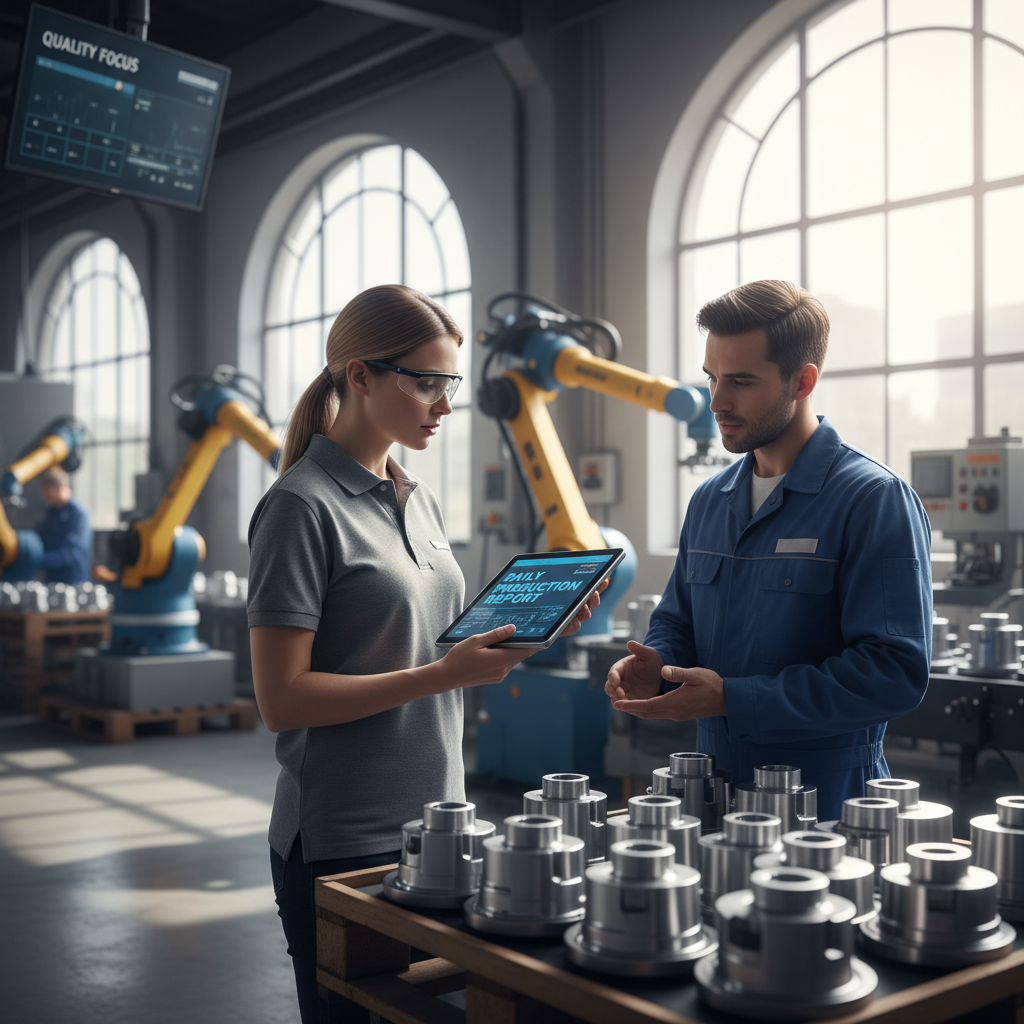
The economic advantages of reshoring are particularly pronounced for small to medium enterprises (SMEs) that lack the infrastructure to manage global trade complexities. While a multinational corporation can maintain dedicated departments for customs compliance and international freight forwarding, smaller firms often find these logistical hurdles a drain on their primary engineering and sales efforts. Transitioning to a domestic partner eliminates the need for specialized global logistics oversight, allowing these businesses to focus their resources on product development and market expansion.
Domestic partners offer the distinct advantage of smaller minimum order quantities (MOQs). Offshore facilities typically require massive production runs to justify the shipping costs and logistical overhead; this often forces smaller companies to tie up significant capital in months of inventory. By choosing manufacturing and production solutions within the US, SMEs can order precisely what is needed for current demand. This flexibility creates a direct improvement in cash flow and reduces the financial risk associated with carrying overstock that may become obsolete.
One of the primary domestic manufacturing reshoring benefits 2026 is the access to personalized, technical support. We work closely with clients to refine designs for better manufacturability and repeatability. This level of communication is often impossible with a distant supplier. It ensures that smaller firms, which may have limited internal production staff, receive the expert guidance necessary to scale their products confidently while maintaining high standards of quality and durability.
Finding a Reliable Reshoring Partner in Utah
Utah has emerged as a primary hub for the manufacturing revival, driven by a strategic combination of logistical advantages and a deep rooted culture of craftsmanship. Located along the critical I-15 corridor, Fillmore provides an ideal base for distributing goods across the Western United States. This central location allows businesses to bypass the high costs and congestion of coastal hubs while maintaining rapid access to markets in California, Nevada, and the Pacific Northwest. The state's commitment to technical education has fostered a highly skilled workforce capable of operating the complex machinery required for modern production. This environment is perfectly suited for companies seeking to capture the domestic manufacturing reshoring benefits 2026 provides, such as enhanced labor stability and simplified domestic freight.
Snow Manufacturing operates at the intersection of this local expertise and advanced industrial capability. Our facility in Fillmore focuses on precision and accountability, utilizing modern equipment to handle everything from component production to finished goods. We align our engineering and quality control teams to ensure every project meets rigorous standards for durability and real world usability. Our philosophy centers on continuous improvement, ensuring that we refine our processes to help clients bring products to market with confidence and efficiency. If you are ready to move your production closer to home, contact our Fillmore team to discuss how our manufacturing and production solutions can support your transition to a more resilient domestic supply chain.
Moving toward 2026, the strategic advantages of domestic manufacturing are undeniable. Reshoring offers your business tighter quality standards, reduced lead times, and a resilient supply chain. These factors are essential for staying competitive in a fast-paced market. If you are interested in exploring how these benefits apply to your specific needs or want professional guidance on reshoring your production, you can read more about our history and commitment to quality. We are ready to help you navigate these changes.