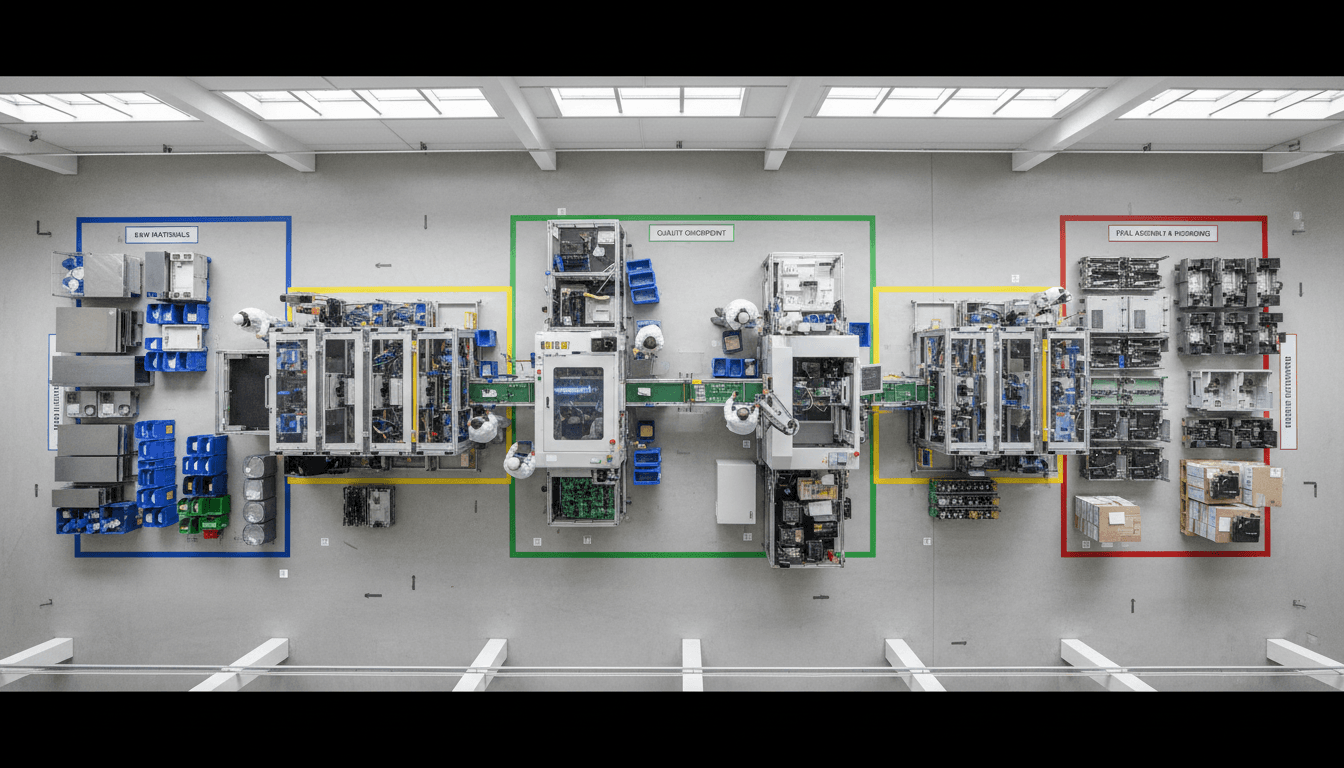
To determine how to choose a manufacturing process, you must first evaluate your production volume, lead time, and material requirements. Low-volume projects often favor CNC machining for its speed and lower setup costs; however, high-volume production typically requires injection molding to achieve long-term cost-effectiveness. Factors like part complexity and the likelihood of design changes should also guide your final selection.
Bringing a design from a digital prototype to a physical reality often feels like a high stakes gamble. If you select the wrong production method early on, you risk inflating your unit costs or compromising the structural integrity of your final part. At Snow Manufacturing, we understand that precision engineering requires more than just high end equipment; it requires a strategic alignment between your design intent and the underlying fabrication technology. This guide provides a rigorous framework for evaluating your options by analyzing production volumes and cost crossover points. You will learn how to weigh the flexibility of CNC machining against the scale of injection molding, while also considering how material properties and part complexity dictate feasibility. By focusing on accountability and quality control, you can ensure your selection supports both your immediate prototype needs and your long term manufacturing goals.
The Core Criteria for Manufacturing Process Selection
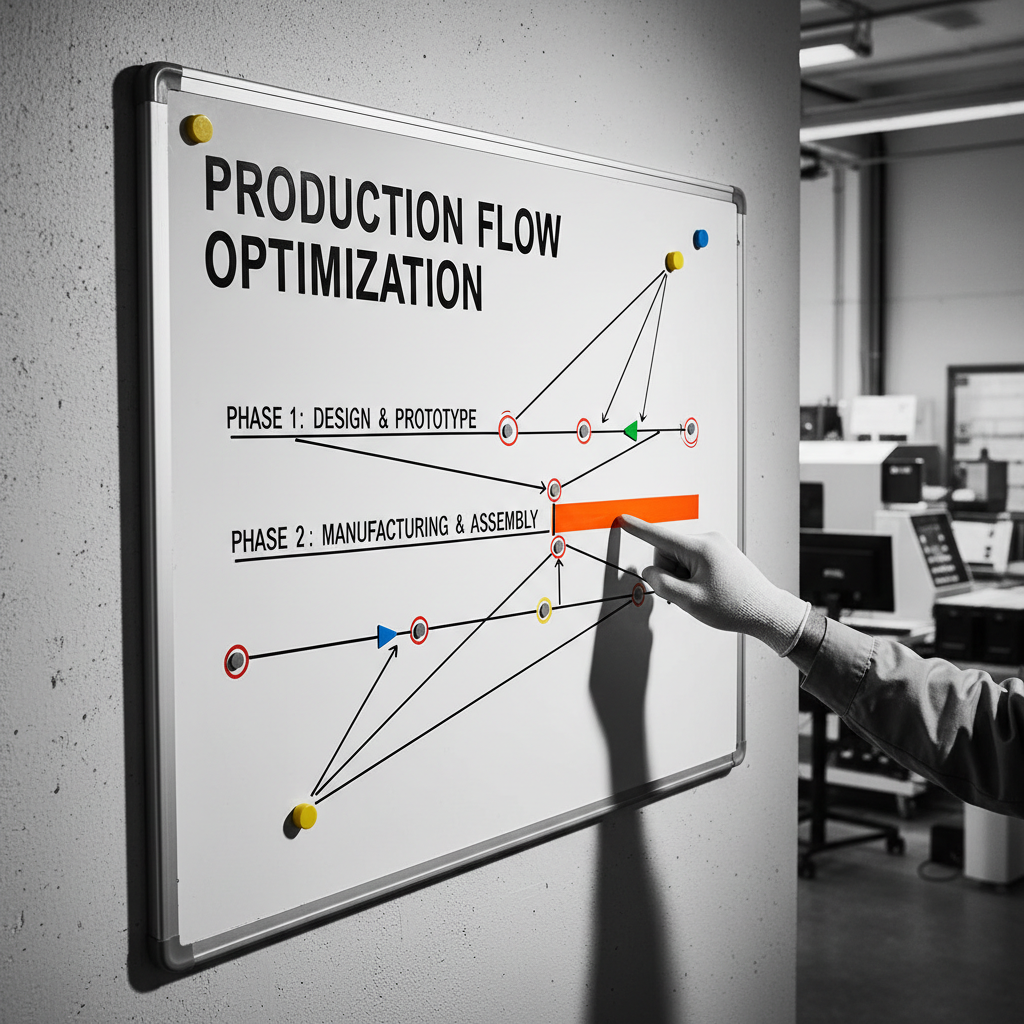
Determining how to choose a manufacturing process requires moving beyond the allure of the newest technologies and focusing on the fundamental alignment between functional requirements and financial objectives. A process is only successful if it delivers a part that performs in its intended environment while remaining economically viable. At Snow Manufacturing, we look at this selection through a framework of reliable manufacturing and production solutions that prioritize durability and real world usability over industry trends.
This decision making framework relies on four primary filters that narrow the field of potential methods:
Production Volume: The total quantity often dictates the capital investment. High volumes might justify expensive tooling, while low volumes favor processes with minimal setup costs.
Material Requirements: The mechanical properties needed, such as tensile strength, weight, or heat resistance, immediately disqualify certain processes that cannot handle specific alloys or polymers.
Part Complexity: Geometric intricacies and precision tolerance requirements determine if a part can be cast, stamped, or must be precision machined.
Lead Time: The urgency of the production schedule influences whether a project can accommodate the weeks required for custom tool fabrication or requires the immediate output of subtractive methods.
By utilizing skilled processes and efficient operations, we emphasize practical design early in the development phase. This proactive approach ensures that these four filters do not become technical or financial roadblocks later in the cycle. When engineering, production, and quality control are aligned from the start, businesses can bring products to market efficiently and with the confidence that the chosen method is the most sustainable path for the product's lifecycle.
Evaluating Production Volume and the Cost Crossover Point
Production volume is the most significant financial lever in production process selection. The quantity of parts required determines whether you should optimize for low setup costs or low per-unit costs. Volume categories generally fall into three tiers: prototyping (1 to 20 units), low-volume production (20 to 500 units), and mass production (typically 500 to 10,000+ units). Each tier demands a different approach to ensure the project remains economically viable.
In low-volume production, the objective is to minimize upfront capital expenditure. Processes like CNC machining are favored for quantities under 500 units because they require no specialized tooling or molds. The costs are primarily tied to machine time, labor, and raw materials. By avoiding the significant investment of a custom mold, a business can maintain flexibility and preserve cash flow during the early stages of a product's lifecycle.
The cost crossover point is the specific volume where a high-capital process becomes more affordable than a low-capital one. This is most evident when comparing CNC machining to injection molding. A custom injection mold can cost between $2,000 and $20,000 depending on complexity. While the per-unit cost of a molded part might be a fraction of a machined part, the initial 'tooling tax' must be amortized over the total production run. If the savings per part eventually outweigh the cost of the mold, you have hit the crossover point.
Volume Tier | Typical Process | Initial Tooling Cost | Per-Unit Cost | Flexibility |
|---|---|---|---|---|
Prototyping (1-20) | CNC / 3D Printing | Near Zero | Very High | Maximum |
Low-Volume (20-500) | CNC Machining | Low (Setup only) | High | High |
Mass Production (500+) | Injection Molding | $2,000 - $20,000 | Very Low | Low |
Selecting the right path is a critical step in how to choose a manufacturing process that aligns with your growth strategy. By offering reliable manufacturing and production solutions that scale, we help businesses identify when to stick with agile methods and when to invest in hard tooling. Using skilled processes and efficient operations ensures that regardless of the volume, the transition between these stages helps you bring products to market efficiently and sustainably.
CNC Machining vs Injection Molding: Which Method Fits Your Design?
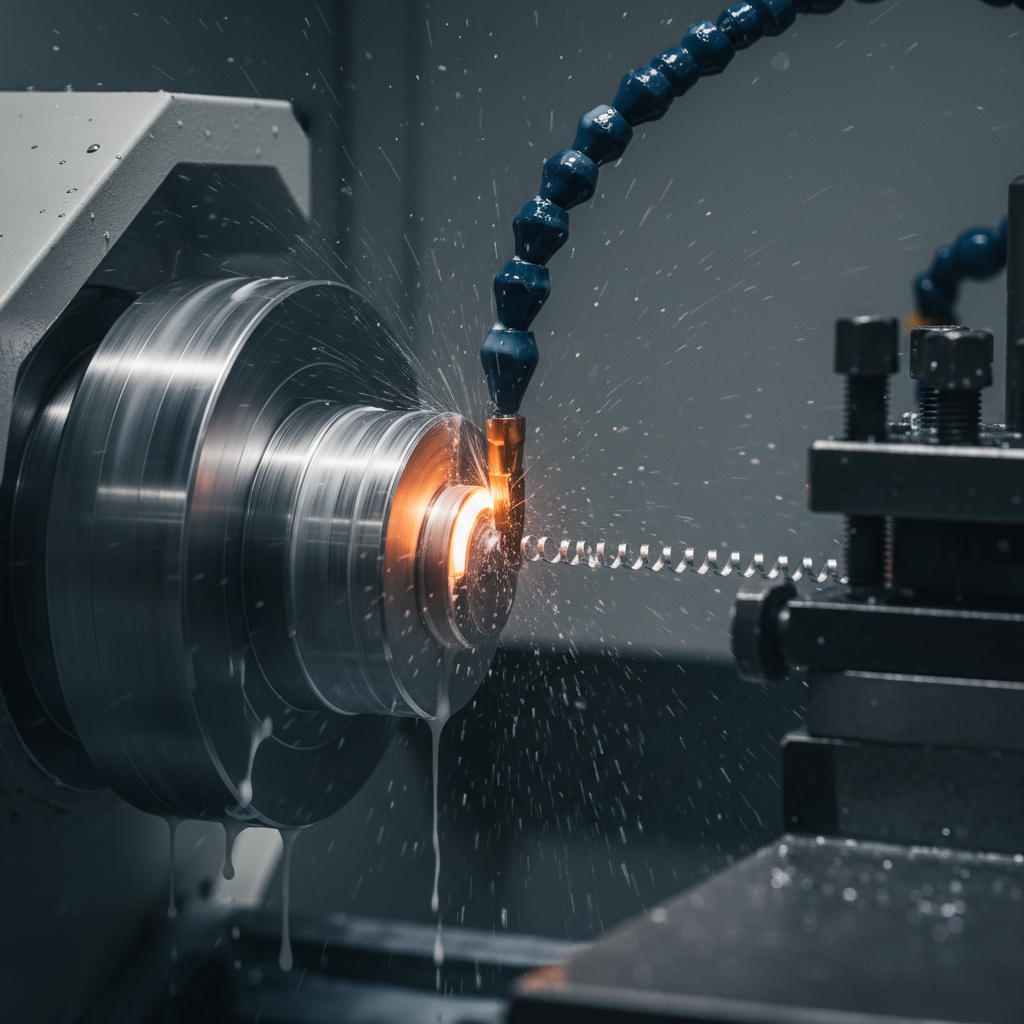
Once volume requirements are established, the physical constraints of the design often force a choice between two industry standards: CNC machining and injection molding. Understanding the mechanical differences between these methods is vital when determining how to choose a manufacturing process that balances immediate speed with long term precision. Each process offers distinct advantages depending on whether the priority is design flexibility or high speed repeatability.
CNC machining is a subtractive process, where material is systematically removed from a solid block of metal or plastic. This method is the gold standard for parts requiring high precision and tight tolerances. Because the process is driven by software, engineering changes are relatively simple; updating the part requires only a new program rather than new hardware. This makes CNC ideal for complex geometries and products that may undergo further iterations during the initial production runs.
In contrast, injection molding is designed for high speed repeatability in plastics. The process involves injecting molten material into a fixed cavity, which allows for extremely low per unit costs once the initial tool is fabricated. However, this method is inherently rigid. Unlike the software based updates used in machining, any design revision in injection molding requires expensive and time consuming tool modifications. We utilize reliable manufacturing and production solutions to help clients navigate these trade offs, ensuring the selected path supports the product's functional requirements.
Feature | CNC Machining | Injection Molding |
|---|---|---|
Lead Time | 1 to 3 weeks | 6 to 12 weeks |
Finish Quality | Excellent; visible tool marks or polished | High; mirrors the mold surface texture |
Material Choice | Metals, plastics, and composites | Limited to compatible thermoplastics |
Design Changes | Low cost; software updates | High cost; physical tool rework |
By leveraging skilled processes and efficient operations, we focus on the practical design aspects that allow you to bring products to market efficiently. Choosing the right method involves more than just looking at the part; it requires an expert assessment of how that part will be produced, revised, and scaled over time.
Material Selection and Its Impact on Process Feasibility
Material choice acts as a non-negotiable gatekeeper in the production cycle. While a design might theoretically function in several media, the machine selection is ultimately dictated by the raw material's physical properties. For example, if a component requires the high strength-to-weight ratio of aerospace-grade aluminum, injection molding is immediately disqualified. In this scenario, the focus shifts to CNC machining or casting to handle the material's structural demands.
Effective manufacturing process selection and design requires understanding that material and geometry are inextricably linked. Some complex internal geometries can be easily achieved with thermoplastics in a mold but are prohibitively expensive, or physically impossible to reach with a cutting tool, in hardened steel. At Snow Manufacturing, our approach to reliable manufacturing and production solutions centers on durability and real-world usability. We evaluate materials based on how they will perform under actual stress, ensuring that the selected process can repeatably deliver those properties.
By utilizing skilled processes and efficient operations, we help clients navigate these constraints early. This ensures that the chosen material supports the intended function while allowing us to bring products to market efficiently without unnecessary fabrication hurdles. Understanding how to choose a manufacturing process means recognizing that the material is not just a spec on a drawing; it is the primary factor that determines which machines can and cannot produce your part.
Part Complexity and Precision Requirements

Geometric intricacy serves as the final technical hurdle when deciding how to choose a manufacturing process. A design featuring simple, two dimensional profiles, such as a mounting bracket, is often best served by laser cutting or stamping. However, as the part evolves to include internal channels, deep pockets, or complex three dimensional features, the requirements shift toward skilled processes and efficient operations like multi axis CNC machining.
A common question in production involves the tolerance gap between machining and molding. CNC machining typically achieves tolerances of +/- 0.001 inches or tighter, making it the standard for high precision engine components or medical devices. Injection molding generally operates within a range of +/- 0.005 inches, as factors like material shrinkage and cooling rates introduce variability that subtractive methods avoid.
Process | Typical Tolerance | Geometric Limit |
|---|---|---|
CNC Machining | +/- 0.001" | High (limited by tool access) |
Injection Molding | +/- 0.005" | Moderate (requires draft angles) |
Laser Cutting | +/- 0.005" | Low (2D profiles only) |
It is critical to remember that tighter tolerances always increase cost, regardless of the method. Each decimal point of precision requires more frequent tool changes, slower feed rates, and more rigorous inspection protocols. By focusing on reliable manufacturing and production solutions that prioritize functional necessity over aesthetic perfection, we help clients bring products to market efficiently without over engineering the budget or extending lead times unnecessarily.
Why Accountability and Quality Control Matter in Process Selection
Technical specifications provide the blueprint, but the location and culture of the production facility determine the final outcome. Deciding how to choose a manufacturing process involves selecting a partner who maintains transparency throughout the production cycle. Working with a domestic partner in Fillmore, Utah, eliminates the black box risks associated with offshore manufacturing, where communication barriers and timezone gaps often obscure quality issues until parts arrive on your doorstep.
A local partner provides immediate accountability. This proximity ensures that quality control is not a post-production afterthought but a continuous feedback loop. When you utilize reliable manufacturing and production solutions, you are investing in a system where engineering and production teams are physically aligned. This alignment is critical for maintaining repeatability in tight-tolerance projects, as it allows for immediate corrective action if a part drifts from its design parameters.
Choosing a process means choosing the quality standards that govern it. Our focus on skilled processes and efficient operations allows for real-time adjustments and rigorous inspection protocols that overseas vendors cannot easily replicate. By keeping production close to the design and engineering source, businesses can mitigate supply chain volatility and bring products to market efficiently. Domestic reliability ensures that the chosen process actually results in a functional, high-quality part every time.
Finding the right manufacturing process is a balance of scale, material properties, and cost efficiency. It is the foundation for a successful product launch and long-term profitability. If you want expert help evaluating your specific design or need guidance on the best production strategy, feel free to look through our Services. We can help you navigate the technical nuances of production to ensure your project meets the highest standards of quality and performance.