Low volume manufacturing is the smarter choice for product launches when companies need to minimize initial costs by avoiding expensive tooling and setup fees. This strategy enables businesses to bridge the gap between prototyping and mass production by efficiently producing batches ranging from ten to tens of thousands of parts. It reduces barriers to entry and allows for agile market testing without the financial risk associated with large-scale production runs.
Many product developers face a crushing dilemma. You have a refined design, but the prohibitive costs of high volume tooling and massive minimum order quantities stall your momentum before you even launch. Committing to thousands of units without market validation is a financial risk that can drain resources and stifle innovation. Low volume manufacturing offers a sophisticated alternative to this traditional all or nothing approach. It provides a strategic bridge that allows you to maintain industrial quality while minimizing upfront capital investment. In this guide, we will analyze the economic benefits of reduced tooling costs, the advantages of accelerated production timelines, and the operational flexibility found in high mix low volume environments. You will learn how to leverage these tactics to bridge the gap from prototype to scale, ensuring your product reaches the market with precision and efficiency.
The Strategic Case for Low Volume Manufacturing
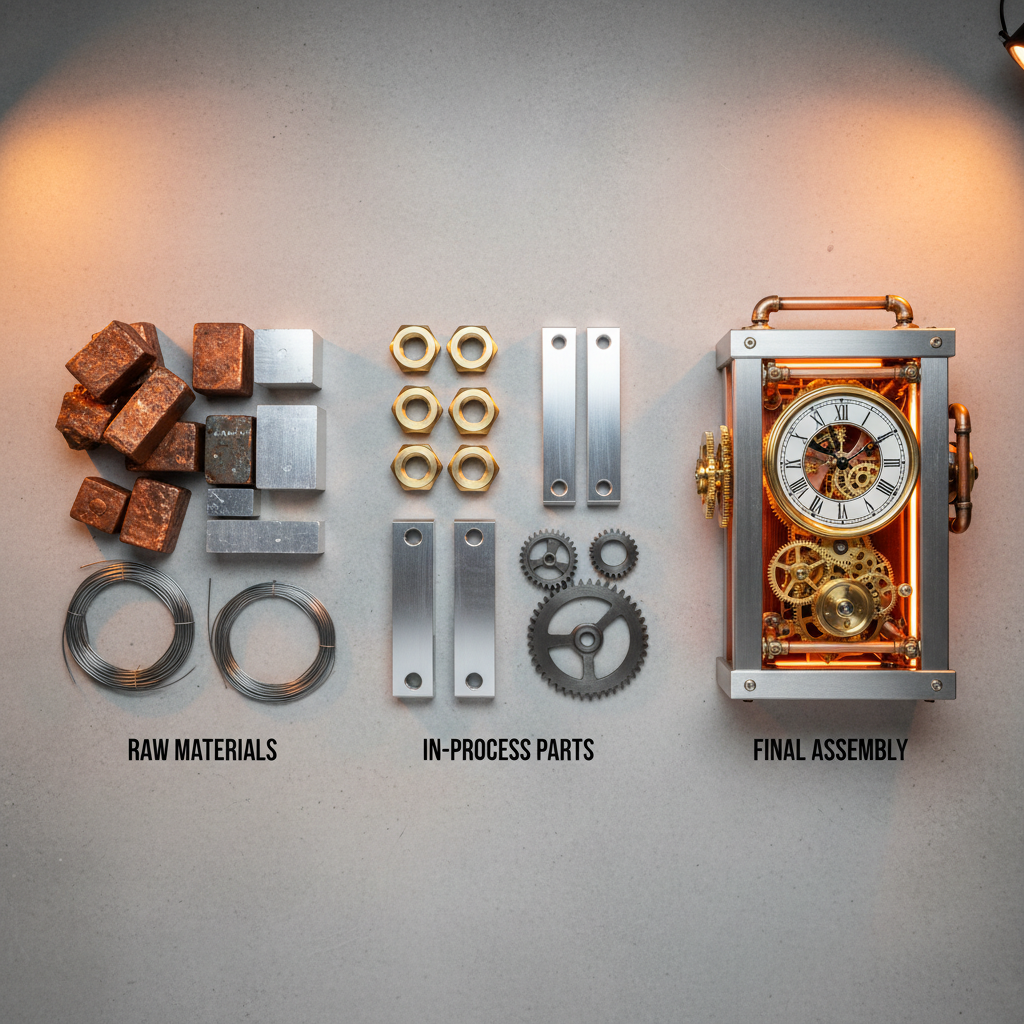
Low volume manufacturing is defined as production runs ranging from 10 to 10,000 units. While the traditional industrial mindset often pushes an all or nothing approach, demanding massive quantities to justify setup costs, this perspective frequently ignores the realities of modern product development. For many businesses across the US, jumping straight from a prototype to a run of 50,000 units introduces unnecessary financial and operational risk.
At Snow Manufacturing, we maintain that reliability and repeatable quality are far more critical during a product launch than sheer volume. A product that fails in the field because quality control was sacrificed for scale can ruin a brand’s reputation before it gains traction. By focusing on reliable manufacturing and production solutions, companies ensure their first units perform exactly as intended in demanding environments.
For organizations in Utah and throughout the country, low volume manufacturing serves as a vital bridge. It connects the initial prototyping phase to full scale market entry, allowing for a controlled transition where precision is the priority. Our philosophy centers on precision, accountability, and continuous improvement, ensuring that every component meets rigorous standards. Incorporating Design for Manufacturability early in this process allows for a smoother transition to these smaller runs, providing the data and real world feedback necessary to scale confidently later. This strategic choice prioritizes a successful, stable market entry over the risks of premature mass production.
Lowering Financial Barriers: Tooling and Initial Setup Costs
The most immediate obstacle to bringing a new product to life is often the prohibitive cost of industrial tooling. In high-volume environments, manufacturers typically rely on hard tooling, which includes permanent, hardened steel molds or dies designed to withstand millions of cycles. These tools require a massive upfront capital expenditure, often ranging from tens of thousands to hundreds of thousands of dollars. For a new product launch, this creates a high-stakes gamble where the business must sell a significant volume just to break even on the equipment alone.
Low volume manufacturing changes this equation by utilizing soft tooling or modular setups. Instead of permanent steel, we often use high-grade aluminum or versatile modular fixtures that are faster and less expensive to produce. While these tools may have a shorter lifespan than their hardened steel counterparts, they are perfectly suited for the 10 to 10,000 unit range. This approach drastically lowers the entry cost, allowing businesses to allocate capital toward marketing or further research and development rather than sinking it into static assets.
Cost Factor | High-Volume (Hard Tooling) | Low-Volume (Soft/Modular Tooling) |
|---|---|---|
Initial Tooling Cost | High ($20,000 – $100,000+) | Low to Moderate ($2,000 – $10,000) |
Lead Time for Setup | 8 to 12+ Weeks | 2 to 4 Weeks |
Break-even Point | 20,000+ Units | 50 to 500 Units |
Risk of Design Change | Very High | Low |
Consider the Return on Investment (ROI) during a market trial. If a company invests in a 50,000 unit run and the market demand only reaches 500 units, the cost per unit becomes unsustainable due to the amortized tooling expenses and wasted inventory. Conversely, a 500 unit run allows for a controlled test of the market. Snow Manufacturing prioritizes practical design during this phase, ensuring that modular setups do not sacrifice the durability or precision needed for demanding environments. By focusing on precision, accountability, and continuous improvement, we help clients achieve cost-effective production without the financial weight of permanent infrastructure. This methodology ensures that reliable manufacturing and production solutions remain accessible to businesses that value smart growth over sheer scale.
Accelerated Time to Market: Why Speed Wins in Modern Production
Minimizing the gap between a finalized design and a shippable product is often the deciding factor in a project’s commercial viability. When companies rely on high volume production, particularly when outsourcing overseas, lead times frequently stretch into months. This delay stems from complex logistics, customs clearances, and the long queue for high capacity factory lines. In contrast, low volume manufacturing streamlines the path to market by utilizing agile production setups that require significantly less lead time.
Operating from our facility in Fillmore, Utah, provides a distinct logistical advantage for domestic businesses. Shipping a batch of components across the country is fundamentally faster and more transparent than waiting for a container to clear a coastal port. Direct communication with a domestic team also eliminates the technical misunderstandings and language barriers that often plague international production.
This speed allows businesses to respond to market shifts with precision. If a competitor launches a similar product or a seasonal trend emerges, companies using a low volume approach can pivot or restock in weeks rather than a full quarter. At Snow Manufacturing, we align our reliable manufacturing and production solutions with this need for speed, ensuring that a quick turnaround never compromises the precision, accountability, and continuous improvement required for products destined for demanding environments. By shortening the production cycle, we help businesses maintain momentum during the most critical phases of their growth.
Design Flexibility and the Power of Iterative Production

One of the most overlooked advantages of low volume manufacturing is the ability to treat production as an extension of the design process. In a mass production environment, the design is effectively frozen once the hard tooling is commissioned. Making even a minor modification to a component after the first 50,000 units are pressed can cost a fortune in both scrapped inventory and re-tooling fees. Low volume manufacturing avoids this rigidity by allowing for iterative adjustments between production batches.
If a product launch reveals that a specific feature requires more durability or that customers prefer a different interface, the manufacturer can implement those changes before the next run begins. This flexibility protects a company’s capital, ensuring that funds are not tied up in $100,000 worth of obsolete or flawed inventory. At Snow Manufacturing, our approach to precision, accountability, and continuous improvement is built into this iterative cycle. Because we align our engineering and production teams under one roof, we can translate real-world performance data into immediate design refinements.
This process relies heavily on Design for Manufacturability, where we analyze how minor changes impact the final assembly and long-term usability. By producing in smaller, manageable increments, we provide reliable manufacturing and production solutions that evolve alongside market demands. This method ensures that the final product is not just a static design, but a refined tool optimized for its intended environment. It allows businesses to refine their offerings based on actual usage rather than theoretical models, resulting in a more resilient product.
Understanding High Mix Low Volume (HMLV) Manufacturing
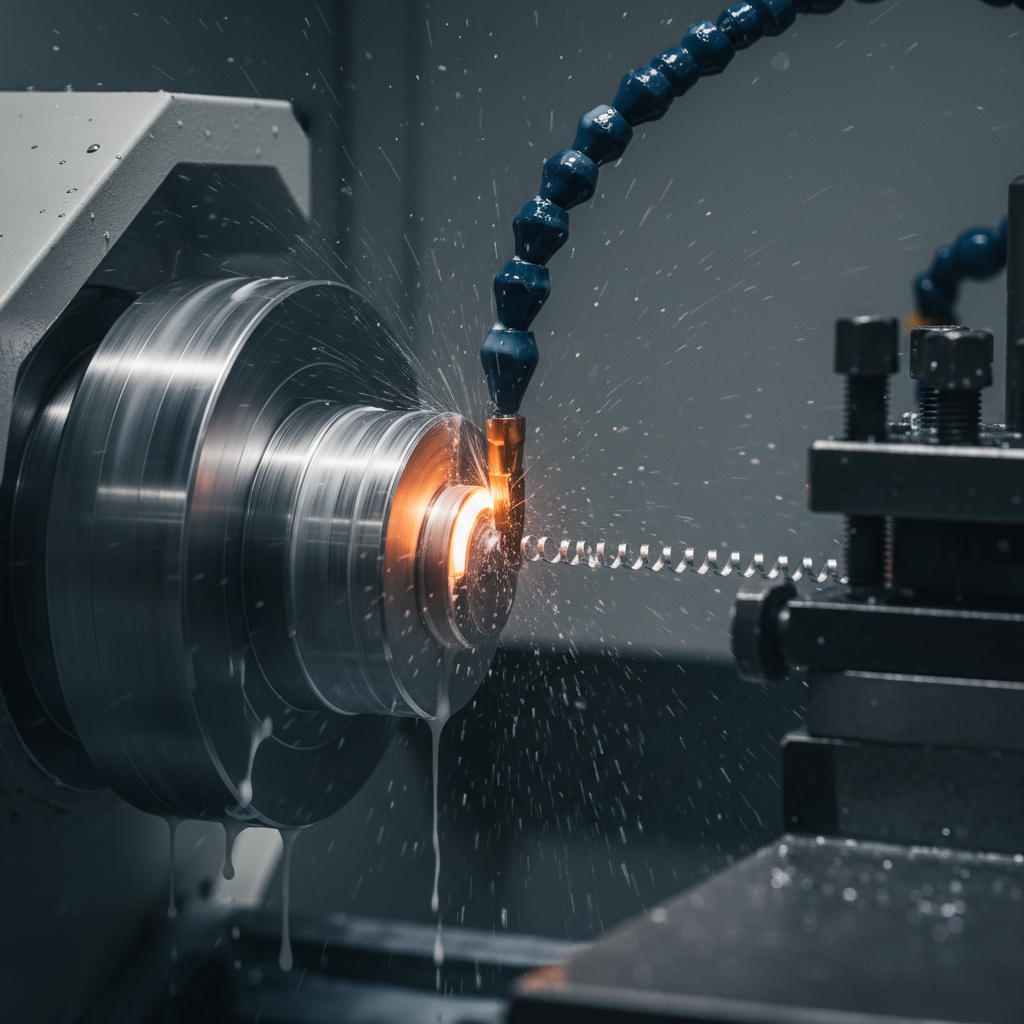
Low volume high mix (HMLV) refers to a production strategy where a manufacturer produces a wide variety of different parts or products, each in relatively small quantities. While traditional mass production relies on long runs of identical components to achieve efficiency, HMLV thrives on versatility. This model requires frequent equipment changeovers and a highly adaptable workforce capable of maintaining precision, accountability, and continuous improvement across a diverse range of specifications.
This approach is particularly valuable for industries where customization and technical complexity are the norms rather than the exceptions. Specialized sectors often utilize this strategy to manage complex product portfolios without the financial burden of carrying excessive inventory for every variant. Common applications include:
Medical Devices: Specialized surgical instruments or diagnostic equipment often require dozens of design variations in small annual quantities.
Industrial Components: Heavy machinery or aerospace parts frequently demand extreme durability and exact tolerances for niche applications.
Scientific Instrumentation: Highly calibrated tools used in research settings where each unit must perform flawlessly in demanding environments.
At Snow Manufacturing, managing high mix portfolios involves aligning engineering and quality control to ensure that every unique part meets rigorous standards. By offering reliable manufacturing and production solutions for these specialized needs, we enable businesses to provide highly specific products to their customers without sacrificing the repeatability and quality control typically associated with large scale operations.
Bridge to Scale: Using LVM for Product Testing and Validation

A low volume production trial serves as the final gateway between a design and its full commercial lifecycle. This stage moves beyond the look and feel of a prototype, utilizing low volume manufacturing to validate how a product behaves under real world conditions using production grade materials. For companies targeting demanding environments, these initial runs are a critical diagnostic tool. They allow engineers to stress test quality control protocols and identify potential bottlenecks in the assembly process before a single unit reaches the customer.
At Snow Manufacturing, we utilize modern equipment to ensure that small batches are produced with the same consistency as high volume orders. This approach provides a granular view of repeatability. If a tolerance drift occurs or an assembly step proves inefficient, it is identified here, where the operational stakes are manageable. We treat these runs as an opportunity to demonstrate precision, accountability, and continuous improvement by documenting every deviation and refinement.
By integrating reliable manufacturing and production solutions at this stage, businesses can confirm that their supply chain and quality benchmarks are ready for the stresses of a market rollout. This validation phase ensures that the final product is not just a concept, but a fully vetted tool ready for its intended application.
Choosing a Partner for Low Volume Production in the USA
Selecting a partner for low volume manufacturing requires looking beyond the initial quote to evaluate their internal communication and quality systems. A successful partnership relies on transparency and a direct line to the people actually handling your components. At Snow Manufacturing, we maintain our engineering and production teams under one roof at our Fillmore, Utah facility. This proximity ensures that design intent translates accurately to the shop floor, maintaining the repeatability necessary for products destined for demanding environments.
When vetting a domestic partner, prioritize facilities that offer integrated reliable manufacturing and production solutions rather than those that outsource specialized steps. Having a single point of accountability eliminates the blame shifting often found in fragmented supply chains. Our central location in Utah provides a logistical advantage for the US market, allowing for faster transit and more responsive communication than international alternatives. By focusing on precision, accountability, and continuous improvement, we provide the technical oversight needed to ensure that even the smallest production runs meet rigorous industrial standards.
Low volume manufacturing offers a strategic advantage by reducing initial costs and allowing for real-world testing before scaling up. This approach ensures your product launch remains both lean and responsive to market feedback. While managing this process independently is an option, having an experienced partner can help you avoid common production pitfalls. If you want expert help navigating these complex manufacturing decisions, you can explore our full range of specialized services to see how we can support your next project.