The cost of poor quality manufacturing typically ranges from 5% to 25% of total sales; it stems from internal failures like scrap and rework as well as external costs like warranty claims. Companies can mitigate these losses by implementing rigorous quality control systems that detect defects early and protect the bottom line through improved operational efficiency.
In modern production, a single out of spec component is rarely just a localized error; it is a financial drain that erodes your competitive edge. You likely see the immediate impact in your scrap bins and warranty claims, yet these visible losses represent only the tip of the iceberg regarding your true operational overhead. At Snow Manufacturing, we understand that precision is not a luxury but a fundamental necessity for maintaining healthy margins in a volatile market. This article explores the actual cost of poor quality manufacturing by examining the 100x rule and the critical role of tight tolerances in preventing downstream failures. You will learn how to accurately calculate your quality related expenses, identify the hidden dangers that threaten your brand reputation, and implement the precision mindset required to protect your bottom line through 2026 and beyond.
Defining the Cost of Poor Quality in Modern Production
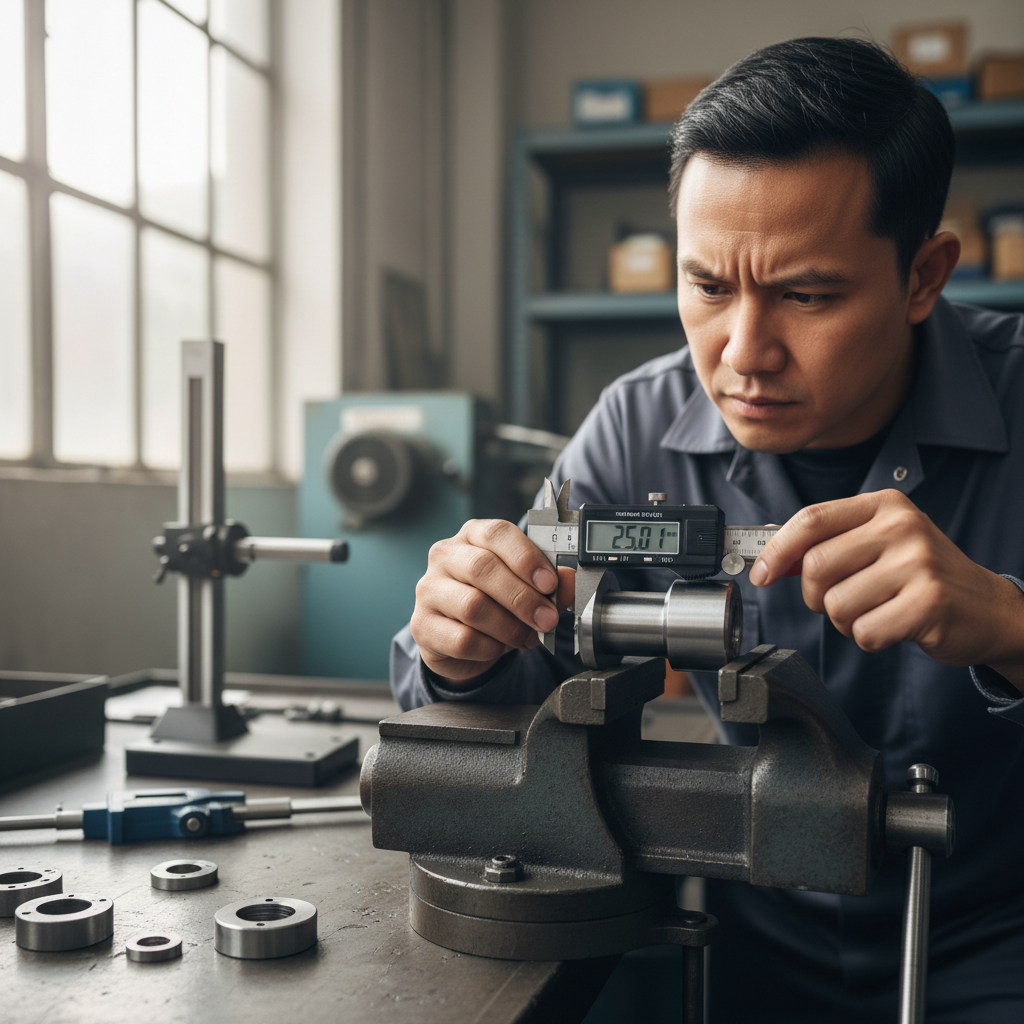
In a high-stakes production environment, quality is often viewed through the lens of compliance. However, the cost of poor quality manufacturing is a more accurate metric for assessing operational health. COPQ represents the total financial loss incurred when a product fails to meet requirements the first time. It is essentially the price of doing things wrong.
To understand the true impact on your bottom line, you must differentiate between internal and external failure costs. Internal failure costs occur before a product leaves our facility in Fillmore, Utah. These include material scrap, labor hours lost to rework, and machine downtime that stalls other projects. External failures are far more damaging, occurring after the customer receives the goods. These encompass warranty claims, field service repairs, and the logistical nightmare of product recalls.
Category | Examples of Costs |
|---|---|
Internal Failure | Scrap, rework, re-testing, machine downtime |
External Failure | Warranties, returns, recalls, liability claims |
Prevention | Quality planning, training, equipment maintenance |
Appraisal | Inspections, audits, supplier evaluations |
Industry estimates suggest that COPQ can drain between 5 and 25 percent of a company’s total sales. This is a significant margin of error that most businesses cannot afford to ignore. It is important to contrast these failure costs with the broader Cost of Quality (CoQ). CoQ includes the investment in prevention and appraisal, which are proactive measures designed to ensure excellence. At Snow Manufacturing, our focus on precision and accountability ensures we prioritize these proactive investments. By identifying these leaks early, businesses can implement efficient manufacturing solutions that protect their margins and long-term viability.
The 100x Rule: Why Early Detection Saves Thousands
The financial impact of a defect follows a steep, non-linear curve known as the 100x Rule. This principle illustrates how the cost to rectify an error increases by an order of magnitude at every progressive stage of the production cycle. A minor deviation in a $7 gasket provides a practical example. If a technician identifies a tolerance issue during the initial machining phase in Fillmore, Utah, the cost is limited to the value of the raw material and a few minutes of recalibration.
However, if that same $7 component passes through inspection and is integrated into a complex engine or hydraulic assembly, the cost to fix it jumps to $700 due to the intensive labor required for disassembly, cleaning, and re-testing. If the defective part reaches a customer at a remote field site, the cost can easily exceed $7,000. This ballooning expense accounts for expedited shipping, field service labor, and potential equipment damage.
At Snow Manufacturing, we utilize skilled processes and modern equipment to identify these deviations when they are still measured in cents, not thousands of dollars. By maintaining rigorous oversight and accountability at our local facility, we ensure that the cost of poor quality manufacturing does not become a catastrophic liability for your operation. Catching a mistake at the source is the only way to maintain the real-world usability and financial predictability required for long-term success.
Why Manufacturing Tolerances are the Foundation of Quality
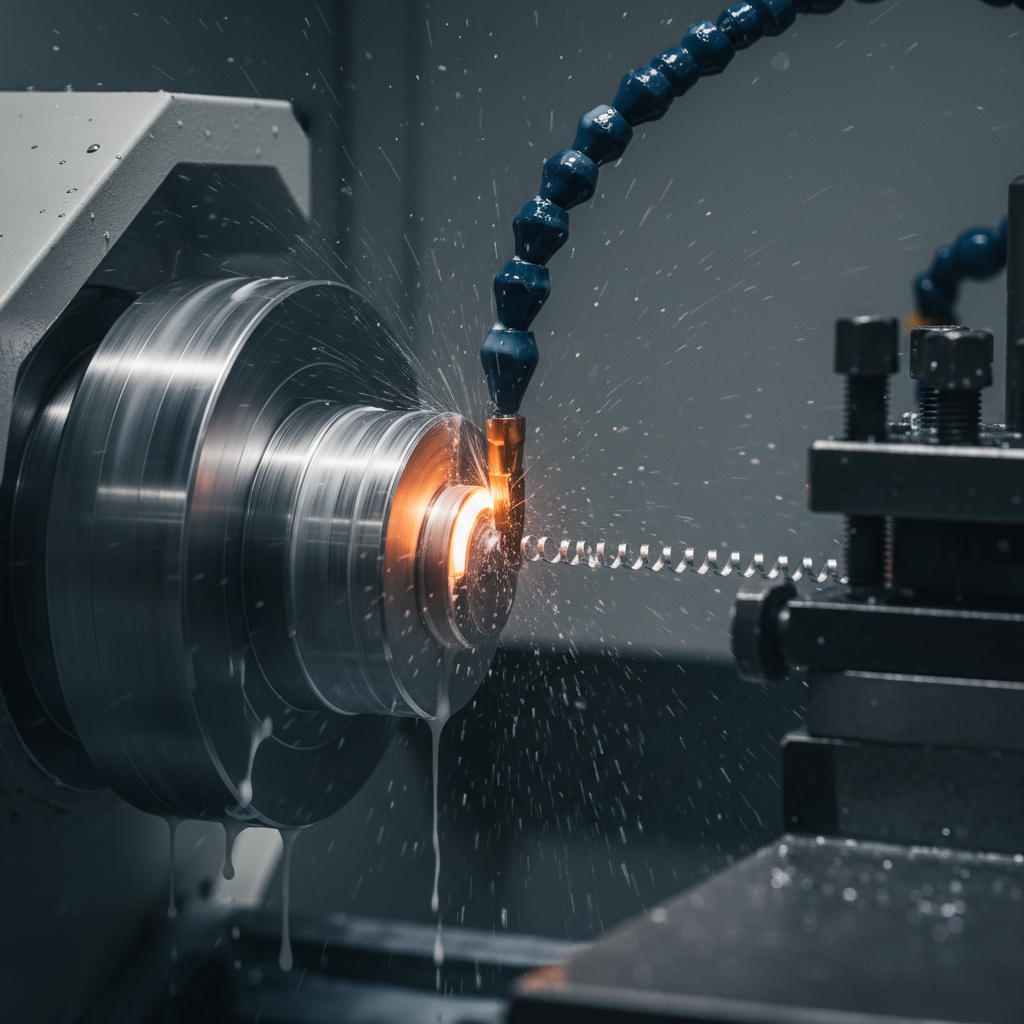
Tolerances represent the allowable limit of variation in a physical dimension. They are the foundation of modern production because they ensure that a part manufactured today will fit and function exactly like one produced six months from now. Why are tolerances important in manufacturing? The answer lies in the intersection of safety, reliability, and assembly efficiency. When a component operates under high pressure or high speed, even a deviation of a few thousandths of an inch can cause premature wear, catastrophic failure, or safety hazards.
Snow Manufacturing utilizes skilled processes and modern equipment to maintain these tight specifications across entire production runs. By prioritizing repeatability, we ensure that every unit leaving our Fillmore, Utah facility meets the exact engineering intent. Precision is not an aesthetic choice; it is a functional requirement for products that must perform in demanding environments. This level of control is what allows complex systems to operate predictably over long lifecycles.
A common pitfall in procurement is selecting a partner based on the lowest bid, which often results from looser tolerances that are easier to hit. While this appears to save money upfront, it frequently leads to tolerance stack-up. This occurs when multiple components, each within their own loose limits, are combined into a single assembly. If every part is slightly off in the same direction, the final product becomes impossible to assemble. This triggers a cascade of internal failure costs, including manual filing, shimming, or total scrap of the assembly.
Investing in precision and accountability at the component level eliminates these assembly bottlenecks. By controlling variation early, businesses avoid the cost of poor quality manufacturing that stems from parts that simply do not work together. Precise tolerances are the most effective way to ensure real-world usability and prevent the financial drain of mid-assembly rework.
How to Calculate the Cost of Poor Quality Manufacturing
To quantify the financial drain on your operations, you need a repeatable framework rather than guesswork. The cost of poor quality formula is straightforward; it is the sum of Internal Failures and External Failures. By breaking these down into tangible metrics, you can visualize exactly where margins are eroding.
Start by categorizing internal failure costs. This includes the direct cost of raw materials scrapped, but also the fully burdened labor rate for technicians performing rework. You must also account for the soft cost of lost production time. When a mill or lathe is tied up fixing a defective batch, it is not generating revenue on a new contract. This lost capacity is often the most overlooked component of internal failure.
Metric | Data Point to Track |
|---|---|
Material Loss | Weight or unit cost of scrapped raw materials |
Rework Labor | Man-hours spent on repairs multiplied by the burdened hourly rate |
Logistics | Shipping costs for returns, replacements, and expedited freight |
Administrative | Time spent processing warranty claims, credits, and customer service calls |
External failures are often more expensive and harder to track; these include warranty payouts and field service travel. To get an accurate picture, track these variables in a basic Excel sheet over a full quarter. This duration provides enough data to smooth out anomalies and reveal the true cost of poor quality manufacturing. Documenting these losses allows for data-driven decisions when investing in precision and accountability or upgrading to efficient manufacturing solutions. This transparency transforms quality from a vague concept into a managed financial line item.
Hidden Dangers: Beyond the Balance Sheet
Calculating the immediate financial impact of defects is necessary, but the true cost of poor quality manufacturing often hides in the friction it creates within your organization and your market. One of the most significant burdens is the opportunity cost placed on your engineering team. When your best talent is diverted from new product development to perform root-cause analysis on a failed batch, innovation stalls. This technical debt creates a cycle where you are constantly anchored to past mistakes rather than moving toward future revenue.
Beyond the internal lab, your brand reputation is at stake. In professional B2B and retail relationships, reliability is the primary currency. A single defective batch reaching a client can sever a multi-year partnership, representing a loss of lifetime value that far exceeds the invoice price of the components. These ruptures are difficult to repair; they often lead to long-term revenue erosion that never appears on a standard scrap report. At Snow Manufacturing, we prioritize precision and accountability to ensure these invisible risks are mitigated. By utilizing skilled processes and modern equipment, we protect your standing with your customers. Implementing efficient manufacturing solutions ensures your engineering resources remain focused on growth rather than remediation, preserving the professional trust necessary for long-term business viability.
Manufacturing Quality Control Tools and Best Practices for 2026

Looking toward 2026, the industry is moving beyond simple inspection toward a philosophy of zero-defect manufacturing. This shift requires integrating predictive tools like Failure Mode and Effects Analysis (FMEA) into the earliest stages of production planning. By systematically identifying every potential failure point in a design or process, we can implement controls that prevent errors before they occur. At Snow Manufacturing, we combine these analytical frameworks with skilled processes and modern equipment to ensure that every project adheres to the highest standards of repeatability.
While AI and automated inspection systems are becoming more prevalent, they are not a substitute for the human intuition required for real-world usability. Technology can identify a dimensional deviation; however, a skilled technician understands how that deviation impacts the final assembly in a demanding environment. Our facility in Fillmore, Utah, leverages data-driven insights while maintaining the precision and accountability that only comes from hands-on oversight. This hybrid approach allows us to stay ahead of the rising complexities in modern production.
The best defense against the cost of poor quality manufacturing is a local partner who takes ownership of the results. Automation handles the volume, but expert oversight ensures the durability of the finished product. As logistics and supply chain risks grow, having a transparent, accountable partner provides a level of security that software alone cannot offer. By choosing efficient manufacturing solutions that prioritize proactive quality control over reactive repair, businesses can ensure their products enter the market with total confidence and minimal financial risk.
Protecting Your Margins with a Precision Mindset
Selecting a production partner based on the lowest per-unit bid is often a false economy. When you prioritize precision, you are actively mitigating the cost of poor quality manufacturing before it impacts your ledger. Our commitment to precision and accountability ensures that every component is built for durability and repeatability, performing exactly as designed in the field.
Based in Fillmore, Utah, Snow Manufacturing serves as a domestic hub that eliminates the volatile lead times and quality drift often associated with overseas production. This local proximity allows for rigorous oversight and reliable delivery schedules. Investing in efficient manufacturing solutions protects your margins from the downstream failures and hidden expenses that low-cost, high-variance production inevitably creates.