Manufacturing lead time represents the total duration from the initial release of a work order until the finished product is ready for delivery. This metric encompasses procurement, production processing, and logistics; understanding its components allows buyers to optimize supply chain efficiency and ensure reliable turnaround times.
Waiting on a critical component while a product launch deadline looms is a situation no procurement professional wants to face. When a manufacturer fails to hit their projected ship date, the ripple effects disrupt your entire supply chain; this leads to increased carrying costs and missed market opportunities. Manufacturing lead time is not a static number to be ignored until the final stage of a project. It is the primary metric that dictates your operational success and long term profitability. In this comprehensive guide, we examine the complexities of precision manufacturing timelines. You will discover the essential formula for calculating lead times, the specific variables that influence shop floor speed, and actionable strategies for accelerating your delivery schedule. We also provide a framework for vetting manufacturing partners to ensure their delivery promises align with reality.
What is Manufacturing Lead Time and Why It Dictates Your Success
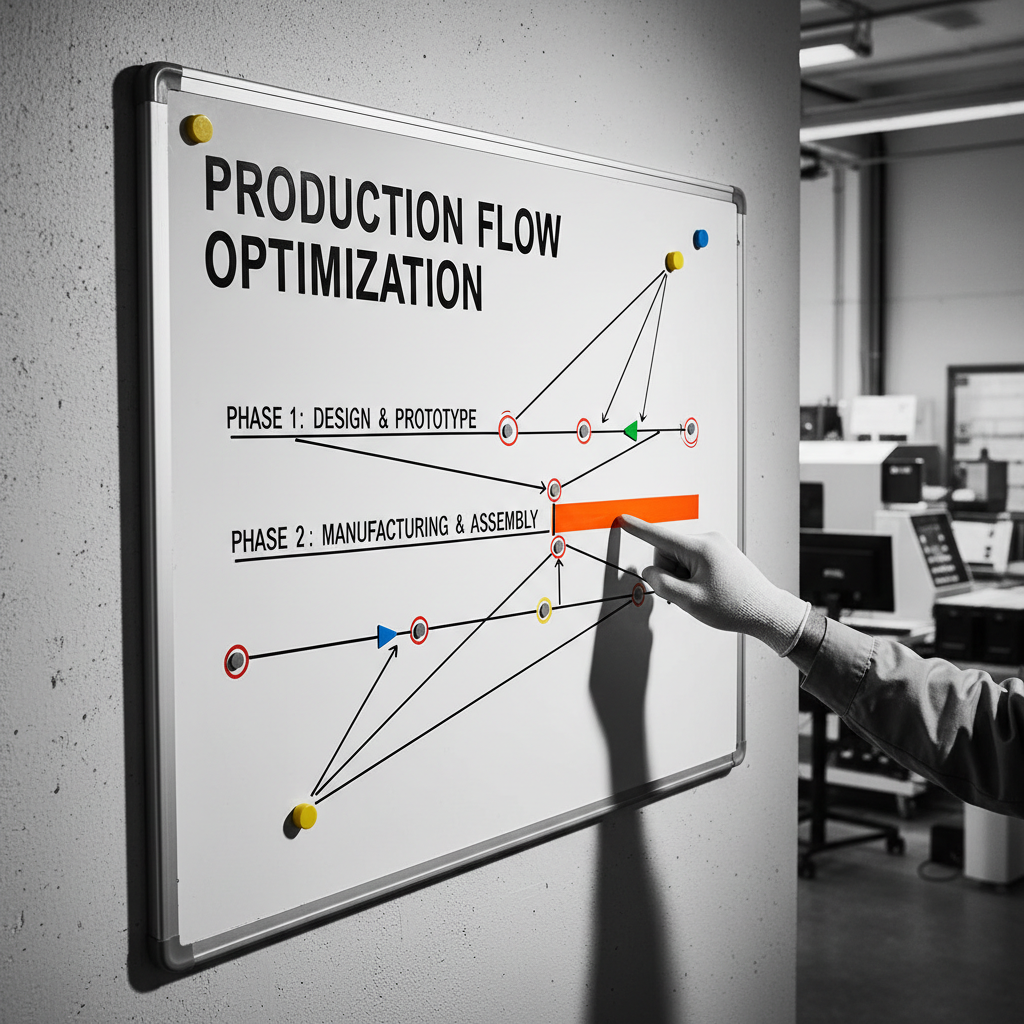
In precision production, manufacturing lead time represents the total duration from the moment a customer places an order until the finished goods arrive at their destination. This metric is a critical benchmark for supply chain health because it directly impacts your ability to generate revenue. While some shops use cycle time, the time a machine takes to complete one unit, or takt time, the production rate required to meet demand, lead time is the only figure that accounts for the entire process. It includes every administrative hurdle, material procurement delay, and shipping transit hour.
Recent industry data indicates that raw material deliveries now take 81 days on average, a 25 percent increase from previous years. In this volatile environment, speed to market is frequently as valuable as unit cost. A lower price per part loses its value if the product arrives late, stalling your cash flow and missing market opportunities. At Snow Manufacturing, we view a lead time as a promise, not a guess. By utilizing modern equipment and efficient operations, we provide reliable manufacturing solutions built on accountability. We understand that our precision affects your reputation, so we prioritize the transparency needed to help you bring products to market efficiently and confidently.
The Simple Formula: How to Calculate Manufacturing Lead Time for Your Project
Calculating your project’s manufacturing lead time requires looking beyond the machine run time. To arrive at an accurate delivery date, we use a straightforward formula:
Lead Time = Pre-processing + Processing + Post-processing
Pre-processing includes administrative tasks such as order entry, engineering review of technical drawings, and procurement of raw materials. If a shop needs to source a specialized alloy, this phase expands significantly. Processing is the actual production phase where modern equipment and efficient operations transform raw materials into parts. Post-processing covers final quality control inspections, deburring, specialized packaging, and shipping transit time.
Consider a request for 500 custom stainless steel fittings. If the administrative setup and material sourcing take four days, the CNC machining takes five days, and the final inspection and shipping take three days, the total lead time is 12 days. The following table illustrates how these phases typically distribute for a standard component order:
Phase | Activities Included | Estimated Duration |
|---|---|---|
Pre-processing | CAD Review, Material Sourcing, Scheduling | 2 to 5 Days |
Processing | CNC Machining, Primary Fabrication | 3 to 10 Days |
Post-processing | Quality Control, Deburring, Shipping | 2 to 4 Days |
When a manufacturer quotes a 3-week lead time, it is important to translate calendar weeks into production reality. In most precision shops, a three-week window represents 15 working days, not 21. This timeline accounts for standard shop hours and excludes weekends or holidays. If your project requires an outside process like anodizing or heat treating, that 15-day window must also accommodate the transit and processing time at the secondary facility. Understanding this distinction helps you align your internal milestones with the shop’s actual capacity, ensuring you can bring products to market efficiently without unexpected delays. Accurate calculation is the first step toward reliable manufacturing solutions that respect your deadlines.
Breaking Down the Three Main Types of Lead Time
To manage a production schedule effectively, you must understand the three distinct pillars that constitute the total duration. While the calculation formula provides the mathematical framework, these categories represent the operational realities that determine if a project stays on track.
Procurement Lead Time involves sourcing raw materials, such as specialized aluminum alloys or high carbon steel. This phase is currently the most volatile aspect of the supply chain, with industry averages for raw material delivery reaching 81 days. A delay in sourcing specialized stock stalls the entire project before a single machine is turned on, making strategic material planning essential for long term projects.
Production Lead Time covers the actual shop floor activities. This includes machine setup, primary fabrication, and any manual assembly required. At Snow Manufacturing, we utilize modern equipment and efficient operations to minimize this window, focusing on repeatable processes that ensure reliable manufacturing solutions. This is the phase where precision and shop capacity have the most direct impact on the calendar.
Delivery Lead Time encompasses the logistics required to move finished goods from our facility in Fillmore to your door. While this is often the shortest phase, it remains a critical variable in the final handover, especially for large scale orders requiring freight coordination.
Bottlenecks typically occur at the handoff between procurement and production. If material arrives without the necessary certifications or in the wrong grade, the production schedule must be recalibrated. The phase that dictates your total manufacturing lead time often depends on the product type:
Standard Components: Production time usually dominates, as common materials are typically stocked or can be sourced within a few days.
Specialized Industrial Parts: Procurement is the primary driver due to the scarcity of specific alloys or the need for secondary certifications.
High-Volume Finished Goods: Delivery and logistics often become the bottleneck as shipping capacity and warehouse intake speeds fluctuate.
Understanding these specific pillars allows you to bring products to market efficiently by identifying which factor is most likely to impact your specific project timeline.
Critical Factors That Impact Lead Times in Precision Manufacturing
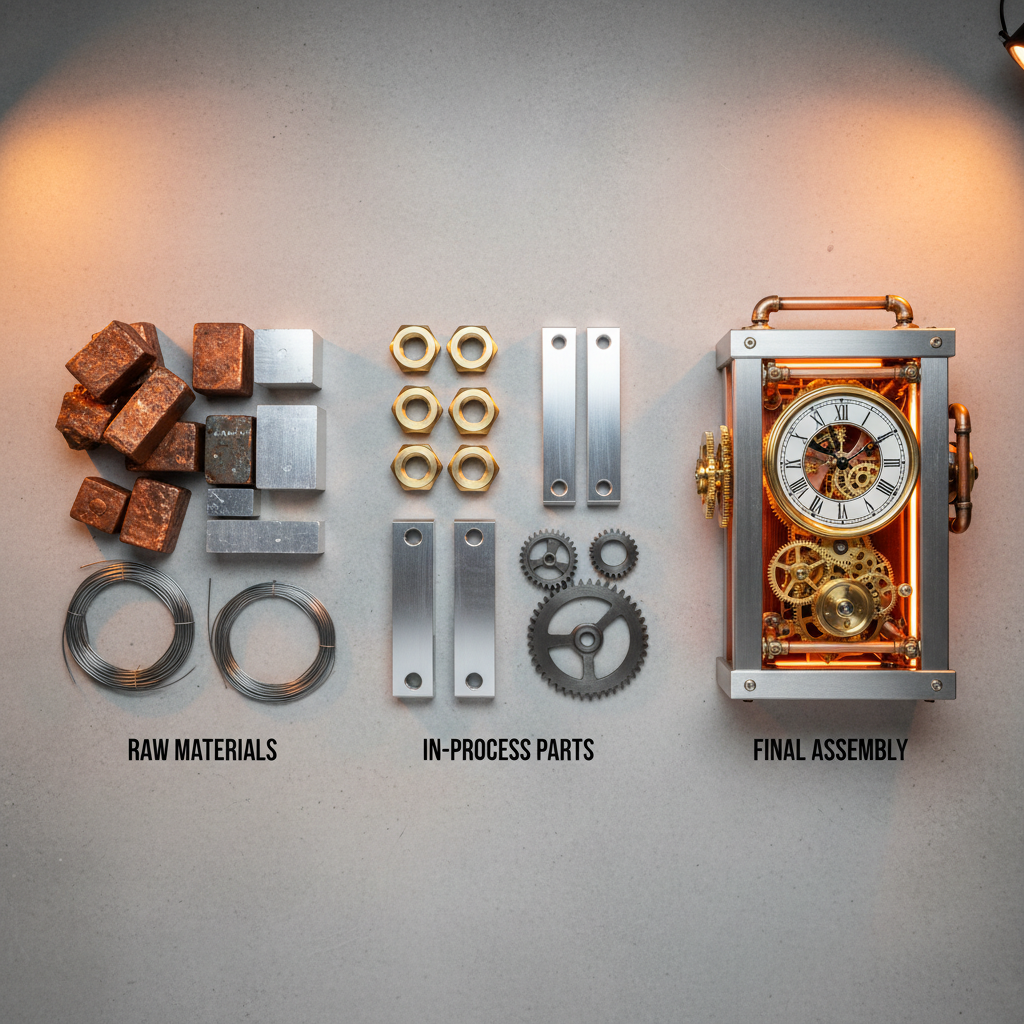
Several variables dictate the actual manufacturing lead time of a project, often shifting the delivery date before production even starts. Material selection is the most significant driver of procurement delays. Choosing a specialized alloy or a proprietary resin that is not regularly stocked can force a shop to wait for a mill run, which contributes to the industry wide 81 day average for raw material fulfillment. If a design specifies a rare grade of stainless steel when a more common alternative would suffice, the project timeline may expand by weeks.
Production capacity and design complexity also play vital roles. A shop floor running at near total capacity has less flexibility to absorb rush orders or accommodate maintenance cycles. Furthermore, design complexity directly scales with time. When a part lacks optimization for Design for Manufacturability (DFM), it often requires more frequent tool changes and complex, multi stage setups. Each additional setup adds hours or even days to the schedule. Utilizing modern equipment and efficient operations helps mitigate these hurdles, but a design requiring five axis movements or extremely tight tolerances will naturally take longer than simpler geometries. By aligning material choices with stock availability and optimizing designs for the machine, you can secure reliable manufacturing solutions that stay on schedule, helping you bring products to market efficiently and with higher confidence.
Proven Strategies to Reduce Lead Time and Speed Up Product Launches

Reducing manufacturing lead time is a collaborative effort between the buyer and the shop floor. While global supply chains remain volatile, specific operational choices can significantly accelerate a product launch. The most immediate way to shave days off a schedule is to provide finalized, high-quality technical drawings at the time of the quote. When a shop receives incomplete CAD files or ambiguous tolerances, the administrative pre-processing phase stalls while engineering teams seek clarification. Providing a complete data package at the outset allows a manufacturer to move straight into material procurement and production scheduling without delay.
Batch sizing is another critical lever that buyers often overlook. While massive single runs might seem efficient for unit pricing, they require long, uninterrupted blocks of machine time that are harder to fit into a busy shop schedule. Opting for smaller, more frequent batches can improve your speed to market. This strategy allows the shop to integrate your work into the production flow more quickly, ensuring you receive the first portion of your order sooner to keep your own assembly lines moving.
Technological investment also plays a vital role. Utilizing modern equipment and efficient operations allows a shop to reduce actual processing time through high speed machining and automated tool changes. Advanced CNC machinery with multi-tasking capabilities can often complete a part in a single setup, eliminating the downtime associated with manual handling between different workstations. By choosing reliable manufacturing solutions that prioritize these efficiencies, you minimize the risk of rework or scrap, both of which are catastrophic to a project timeline. These proactive steps enable businesses to bring products to market efficiently and maintain a competitive edge through consistent delivery.
The Fillmore Advantage: How Local Production in Utah Shortens the Supply Chain
Geographic proximity is one of the most effective tools for reducing total manufacturing lead time. By sourcing production from our facility in Fillmore, Utah, you eliminate the volatile transit windows associated with international shipping. While global raw material deliveries have swelled to an 81 day average, local production bypasses the bottlenecks found at major coastal ports and customs checkpoints. This reduction in Customer Lead Time ensures that once a part leaves the machine, it reaches your facility in days rather than weeks.
Fillmore occupies a strategic position within the Western United States. Located along a major transit corridor, our facility serves as a central hub for logistics reaching California, Nevada, Arizona, and the Pacific Northwest. This physical proximity allows for more responsive communication and faster troubleshooting compared to overseas vendors. When you partner with a domestic shop for reliable manufacturing solutions, you are not just buying a part; you are securing a shorter supply chain that is less susceptible to geopolitical disruptions or container shortages. Leveraging modern equipment and efficient operations in a centralized Utah location allows you to bring products to market efficiently while maintaining tight control over your inventory and overhead costs.
How to Vet a Manufacturer's Lead Time Claims Before You Sign

While local production offers a logistical edge, verifying a manufacturer's claims requires a direct look at their operational capacity. Before signing a contract, ask about their current machine utilization and how they manage the ongoing volatility in raw material fulfillment. A shop that promises an aggressive manufacturing lead time without first requesting detailed material specifications or technical tolerances is likely over-promising.
Inquire specifically about how their quality control (QC) process is integrated into the production timeline. Precision and consistency should never be sacrificed for sheer speed; receiving a faulty part on time still represents a total loss of your project's duration. Utilizing modern equipment and efficient operations allows a shop to be transparent about its limits while still providing reliable manufacturing solutions. Ask for a clear breakdown of their buffer for supply chain disruptions to ensure they can bring products to market efficiently without unexpected setbacks. A partner who prioritizes accountability will provide data, not just an optimistic delivery date.