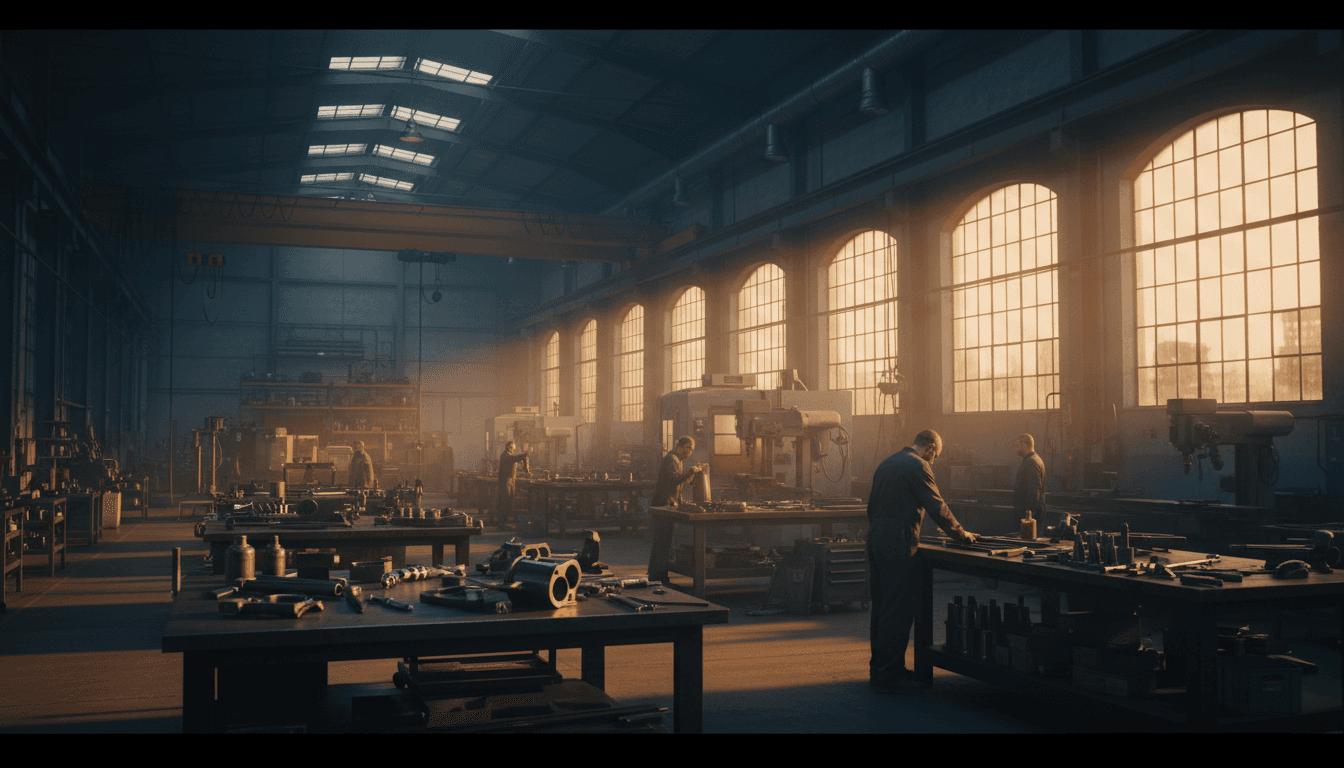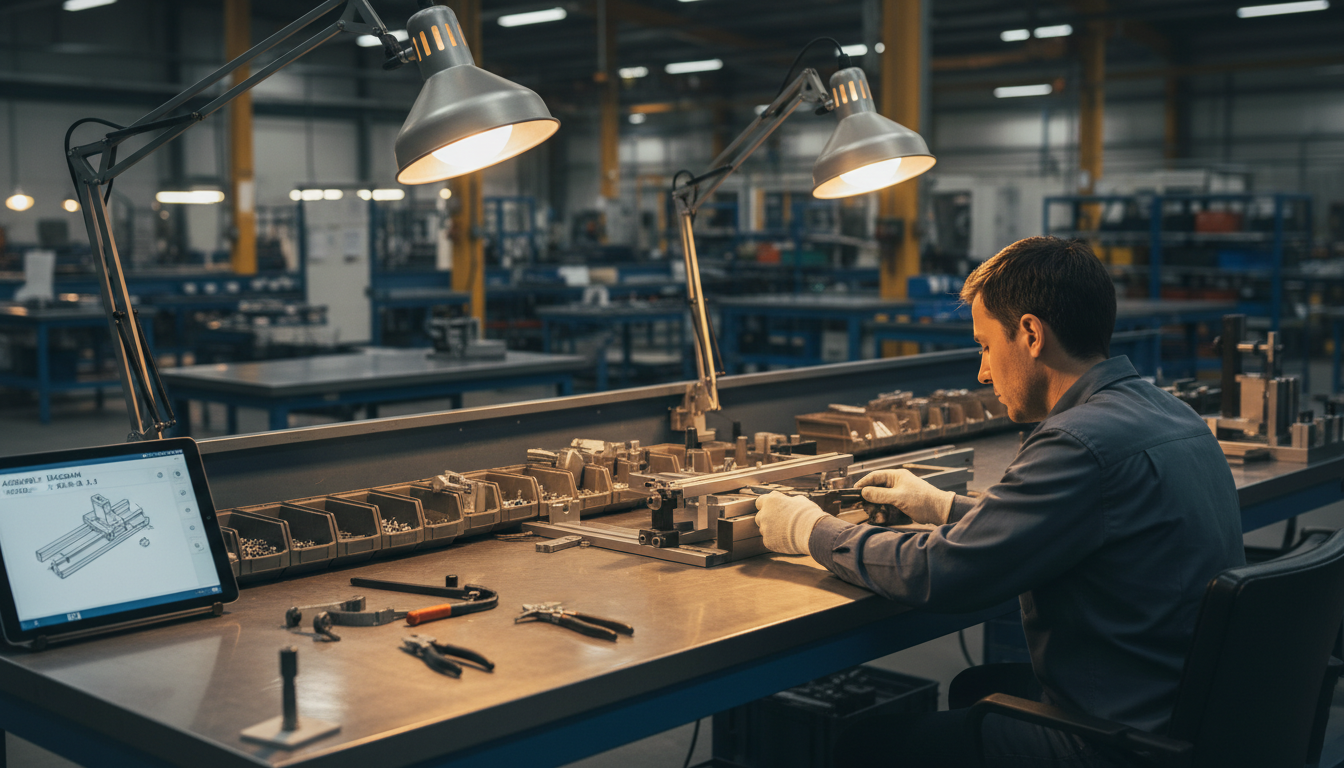
Design for manufacturability is a strategic engineering practice that focuses on optimizing product designs to make them easier and more cost-effective to produce. By integrating manufacturing considerations early in the development process, companies can improve quality, reduce production errors, and lower overall project costs.
Product development often hits a costly wall when a sophisticated CAD model encounters the hard realities of the shop floor. You may have experienced the frustration of soaring production costs or delayed lead times because a design, while theoretically sound, proved unnecessarily complex to fabricate. At Snow Manufacturing, we know that true engineering excellence is found at the intersection of innovation and feasibility. The bridge between visionary design and efficient output is built through Design for Manufacturability, a discipline that ensures every component is optimized for performance and cost before the first machine starts running. This article provides a comprehensive look at DFM principles, material selection strategies, and the common pitfalls that stall production. You will learn how to align your design process with modern manufacturing constraints to achieve superior quality at scale.
What is Design for Manufacturability (DFM)?
Design for manufacturability is more than a technical checklist; it is a philosophy of operational efficiency that ensures a product can be fabricated reliably and cost effectively. While a digital CAD model represents a perfect theoretical environment, the shop floor introduces variables like tool deflection, material stress, and thermal expansion. DFM bridges the gap between these two worlds by refining a design so it survives the transition from pixels to physical components.
At Snow Manufacturing, our approach centers on practical design and real world usability. We look beyond the screen to understand how a part will behave in demanding environments. This involves optimizing the specific relationship between the chosen materials, the intended geometry, and the available production processes. If a design requires exotic tooling or unnecessarily tight tolerances that do not improve performance, it fails the DFM test.
True efficiency comes from ensuring repeatable quality. By aligning engineering intent with production realities early in the development cycle, we provide reliable manufacturing and production solutions that reduce waste and shorten lead times. Success in this area means a product is not just functional in a laboratory; it must be consistently producible and durable in its final application. To discuss how these principles apply to your specific project, you can contact our team.
The 5 Key Principles of DFM Analysis

To perform a thorough DFM analysis, one must look at a component through five distinct lenses. Failing to balance these factors often results in over-engineered parts that are technically impressive but commercially non-viable. At Snow Manufacturing, we evaluate every project against these criteria to prevent unnecessary costs from creeping into the production cycle.
Process: This is the foundation of production. Choosing between CNC machining, injection molding, or sheet metal fabrication depends on part volume and complexity. A design optimized for a low-volume milling process will be inefficient if the project eventually scales to die casting. You must align the design with the specific capabilities and constraints of the chosen equipment.
Design: Geometric simplification is the most direct way to lower costs. Reducing the number of setups, avoiding deep pockets that require specialized tooling, and ensuring proper wall thicknesses prevent production bottlenecks. A simpler design is a more repeatable design, which is essential for maintaining consistency across large batches.
Material: Selection involves more than just tensile strength or weight; it includes raw material availability and machinability. Using a high-grade alloy that is difficult to cut increases tool wear and cycle time. Often, a more common material that is easier to process results in a lower total unit cost while still meeting all performance requirements.
Environment: A part must function in its intended operating conditions. Will it be exposed to corrosive chemicals, extreme temperatures, or constant vibration? Designing for the environment ensures the part survives in the field without being over-built for conditions it will never encounter.
Compliance and Testing: Every industry has safety and quality standards. Incorporating these requirements early prevents expensive redesigns after a failed audit. Testing protocols should be practical, ensuring the part meets necessary tolerances without imposing inspection steps that add no functional value.
Principle | Primary Objective | Risk of Neglect |
|---|---|---|
Process | Optimal method selection | High scrap rates |
Design | Geometric simplicity | Unnecessary tool costs |
Material | Performance vs. cost | Long lead times |
Environment | Real-world durability | Premature part failure |
Compliance | Standards adherence | Regulatory delays |
When these principles are ignored, the result is often a part that requires custom tooling or exotic setups for features that do not improve the final product's performance. This is the definition of an over-engineered component; it increases the price per unit and complicates the manufacturing process without providing any benefit to the end user.
DFM vs DFA: Understanding Design for Manufacturing and Assembly
Balancing the five principles of production ensures an individual part is cost effective to produce, yet manufacturing efficiency does not stop at the component level. While DFM focuses on the fabrication of individual pieces, Design for Assembly (DFA) shifts the focus to the relationship between those parts. DFM ensures a single bracket is easy to machine; DFA ensures that bracket can be joined to a frame without specialized tools or awkward movements. When these two disciplines are integrated, we refer to the process as DFMA (Design for Manufacturing and Assembly).
At Snow Manufacturing, we treat these as two sides of the same coin. A primary strategy for optimizing both is the reduction of part counts. Consolidating multiple small components into a single, well engineered part eliminates the need for fasteners, reduces inventory management, and minimizes the risk of human error during production. Every additional bolt or clip represents a potential point of failure and a measurable increase in labor costs.
Our team looks at how a component’s geometry impacts the final assembly speed and consistency. For example, incorporating self aligning features or ensuring parts are symmetrical reduces the time a technician spends orienting a component. By focusing on reliable manufacturing and production solutions that prioritize ease of assembly, we help clients avoid bottlenecks on the shop floor. If you have questions about streamlining your assembly process, feel free to contact our team.
Material Selection: Balancing Performance and Production Cost
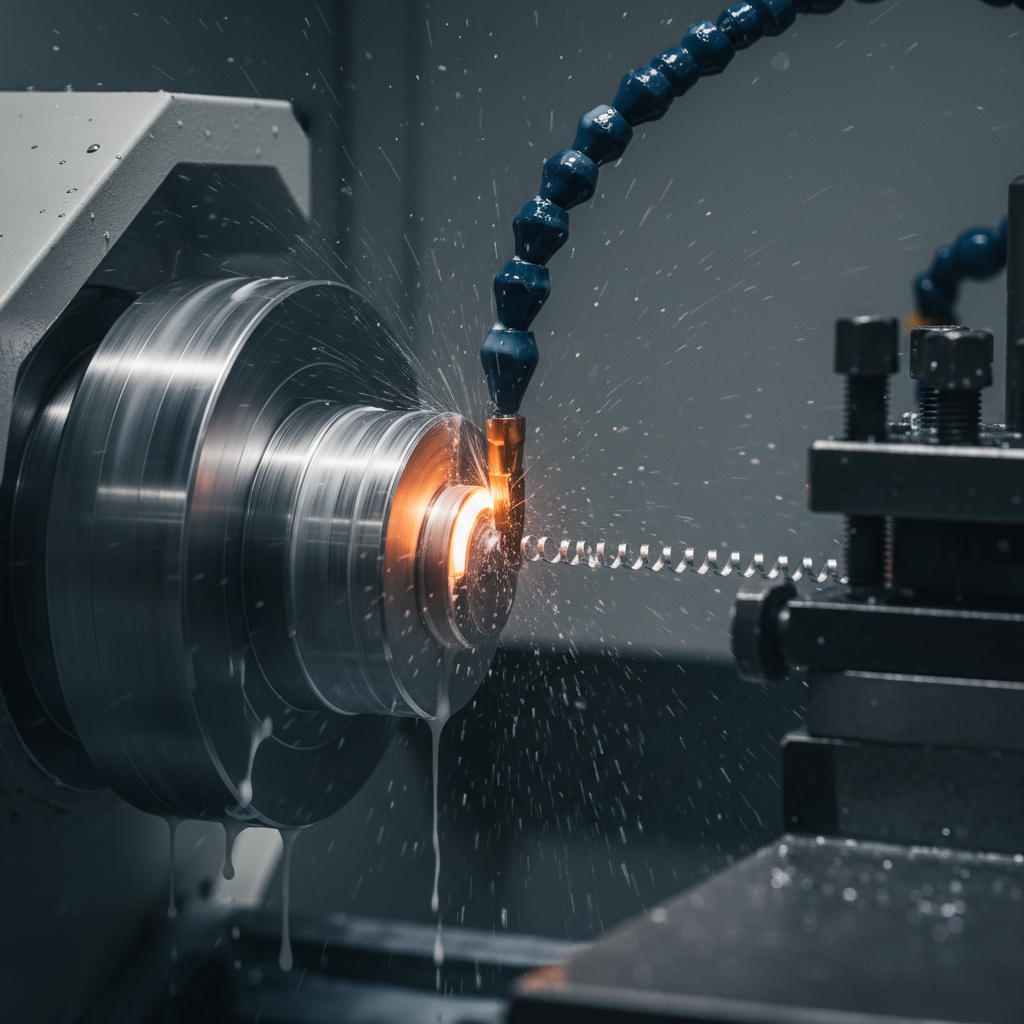
Material selection is often the most significant variable in determining a part’s final price point. While engineering specifications usually dictate minimum strength or corrosion resistance, the choice between two similar alloys can drastically alter the production timeline. At Snow Manufacturing, we emphasize that material properties must align with the intended machining or fabrication process to maintain reliable manufacturing and production solutions.
The trade-off between exotic materials and standard stocks is a matter of practical necessity. While titanium or Inconel offer superior performance, they require specialized tooling and significantly longer cycle times. For products operating in demanding environments, durability is non-negotiable, but over-specifying a material often introduces unnecessary complexity. Using standard stocks like 6061 aluminum or 1018 steel wherever possible ensures a more predictable result and faster turnaround.
Crucially, the cheapest raw material does not always yield the lowest unit cost. A classic example in precision machining is the choice between 304 and 303 stainless steel. While 304 is often cheaper per pound, 303 is sulfur-enhanced for better machinability. The increased feed rates and reduced tool wear associated with 303 often offset its higher purchase price, resulting in a lower total cost per part. Effective design for manufacturability requires looking at the total cost of ownership, which includes labor, tool replacement, and machine overhead. Balancing these factors ensures that a product is robust enough for its application without becoming a financial liability. If you are debating material specifications for a new project, you can contact our team for a technical review.
Common DFM Mistakes to Avoid in Product Development
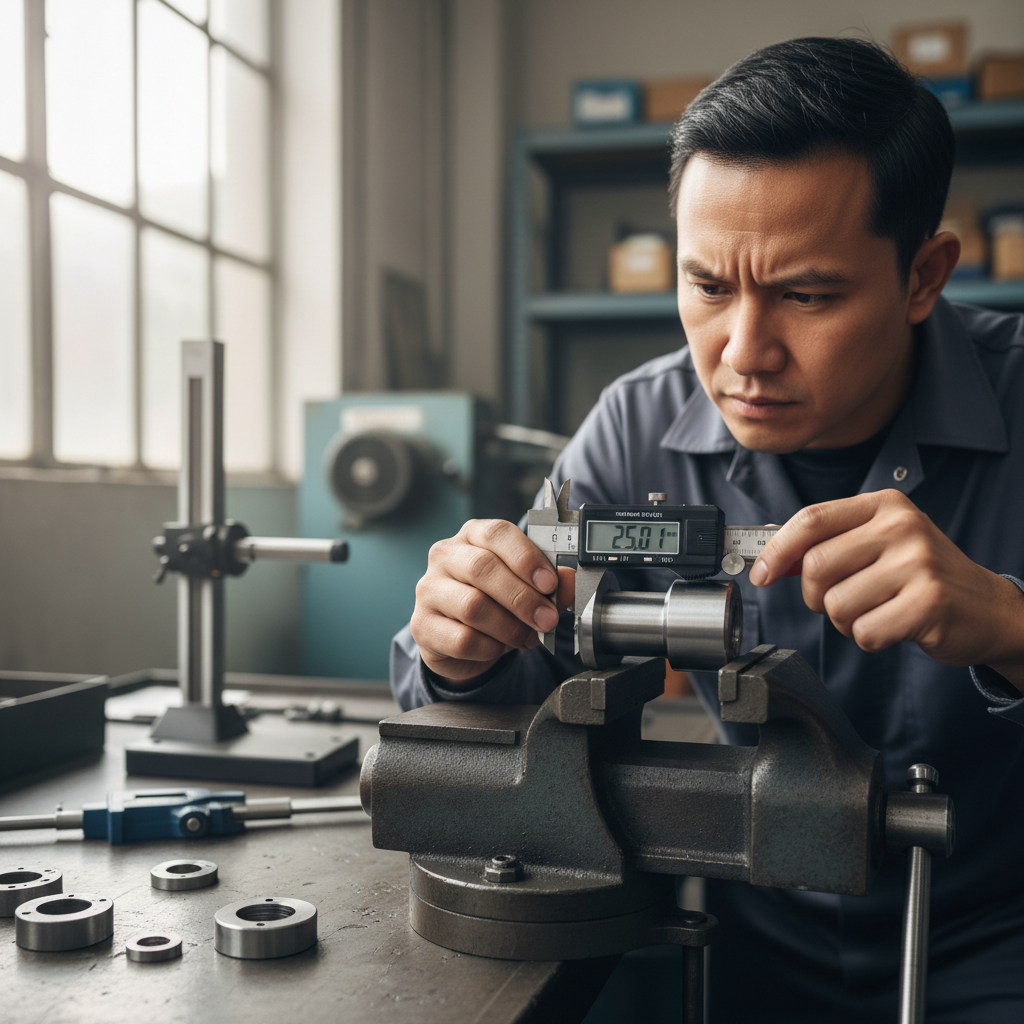
Avoiding pitfalls in product development requires moving beyond theoretical perfection to understand the physical constraints of the shop floor. Even with the correct material, a design can become financially unviable if it ignores how parts are actually held, cut, or molded. These mistakes often stem from a disconnect between the digital workspace and the reality of machine capabilities.
One of the most frequent errors is over-specifying tolerances. Demanding a +/- 0.001 inch tolerance when a +/- 0.005 inch variance would not affect performance significantly increases costs. Tighter tolerances require slower feed rates, more frequent tool changes, and higher scrap rates; they also mandate more expensive inspection equipment. At Snow Manufacturing, we encourage engineers to define tolerances based on functional necessity rather than software default settings.
Geometric oversights also create bottlenecks. Designing internal sharp corners that require specialized EDM (Electrical Discharge Machining) or custom tooling, rather than allowing for standard end mill radii, adds unnecessary lead time and expense. Similarly, forgetting draft angles on parts intended for molding or failing to account for tool reach in deep cavities makes fabrication difficult or impossible.
Common DFM Mistake | Practical Impact | Snow Manufacturing Solution |
|---|---|---|
Excessively tight tolerances | Increased scrap and inspection time | Align specs with functional requirements |
Non-standard features | High cost of custom tooling | Design for standard shop tools |
Lack of tool access | Impossible to machine or release | Validate geometry for physical reach |
Over-the-wall mentality | Late-stage redesigns | Early collaboration with production |
Perhaps the most damaging mistake is the "over the wall" mentality. This occurs when engineering teams complete a design in isolation and pass it to the production team only when it is ready for fabrication. This lack of collaboration usually results in a design that is difficult to produce efficiently. The most expensive mistake in any project is starting a design for manufacturability review too late in the cycle. By the time a product reaches the floor, changes are costly; identifying these issues during the prototype phase ensures reliable manufacturing and production solutions. To ensure your design is optimized before production begins, you can contact our team.
How Snow Manufacturing Optimizes Component Production

At Snow Manufacturing in Fillmore, Utah, we operate on the principle that production success is determined long before the first spindle turns. We align our engineering, production, and quality control departments at the earliest stages of a project to identify design for manufacturability issues before they become expensive bottlenecks. This integrated approach ensures that every component is optimized for real-world usability and long-term durability.
Our facility utilizes modern equipment and skilled processes to handle diverse requirements, from initial component production to the assembly of finished goods. We do not just produce parts; we build systems of repeatability. By maintaining strict accountability throughout the manufacturing cycle, we ensure that the physical product matches the engineering intent without compromise. This focus on precision prevents the common pitfalls of over-engineering while maintaining the performance required for industrial applications.
Our commitment to continuous improvement means we are constantly refining our operations to drive down costs while maintaining high quality standards. This practical expertise allows us to provide reliable manufacturing and production solutions that perform in demanding environments. By fostering a culture of accountability, our team helps businesses bring products to market efficiently and with confidence. To move from a digital model to a scalable, consistent production run, contact our team to discuss your project requirements.