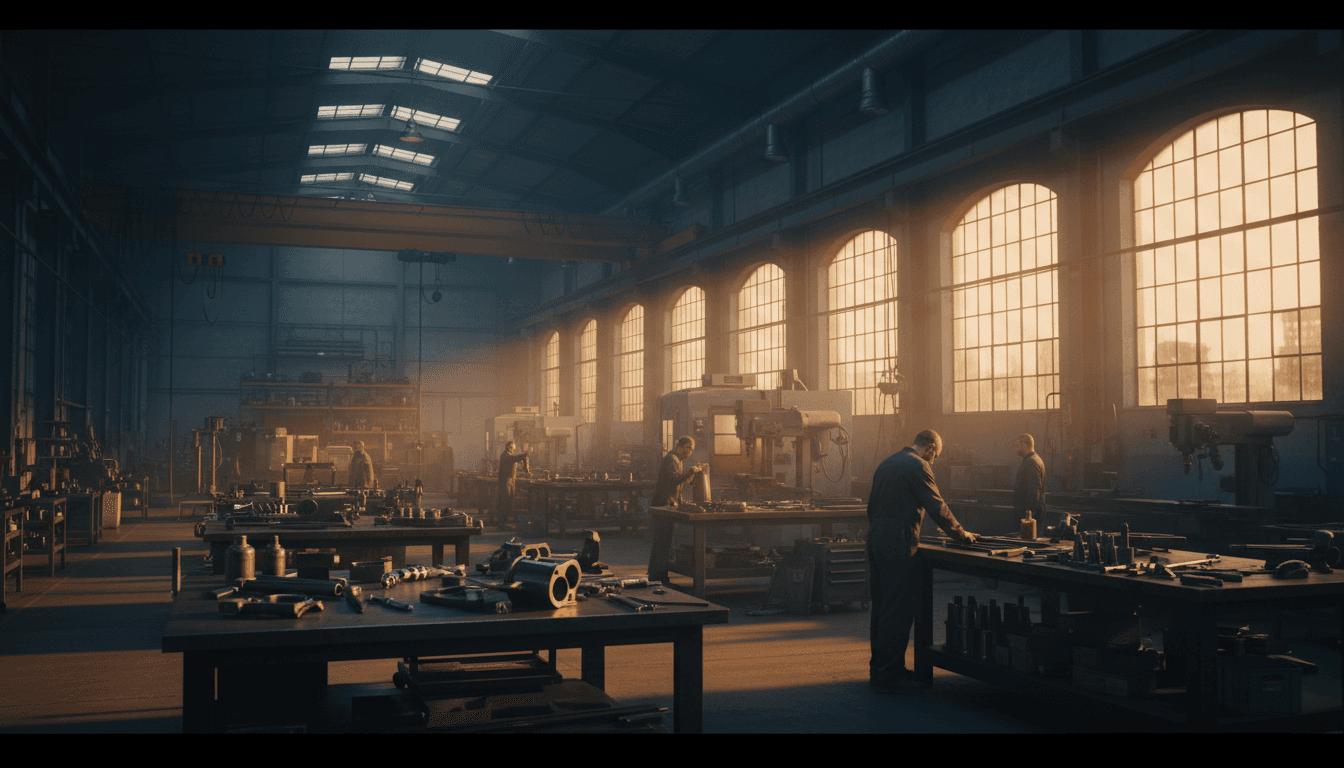
Selecting a reliable production partner requires a comprehensive contract manufacturer checklist to evaluate technical capabilities, industry experience, and modern equipment. You should also verify their quality control processes, regulatory compliance, and ability to provide transparent reporting throughout the manufacturing lifecycle.
Selecting a contract manufacturer is one of the most consequential decisions a product manager or engineer will make. A single oversight in vetting can lead to missed deadlines, compromised tolerances, or cascading supply chain failures that erode your market position. Beyond simple capacity, a truly reliable partner must integrate seamlessly with your design process while maintaining the highest standards of repeatable quality. This guide provides a comprehensive checklist of ten essential factors to evaluate before signing a contract. We will cover technical requirements, the importance of DFM support, and why proximity matters for project management. By following these criteria, you can move past the sales pitch and identify a facility that possesses the skilled craftsmanship and financial stability necessary to bring your most complex components to life with absolute precision.
Why Choosing the Right Manufacturing Partner Matters
Your manufacturing partner functions as a direct extension of your brand. When a product reaches an end-user, they do not see the shop floor in Fillmore, Utah; they see your commitment to quality. Research indicates that a poor selection process leads to missed deadlines and compromised material integrity, which can ultimately derail a company’s reputation and market position. To choose wisely, you must first distinguish between an Original Equipment Manufacturer (OEM), which makes components for other products, an Original Design Manufacturer (ODM), which designs and builds for rebranding, and a Contract Manufacturer (CM), which provides comprehensive manufacturing and production solutions based on your specific requirements.
Success depends on precision, accountability, and continuous improvement. This contract manufacturer checklist helps procurement managers vet partners based on their ability to deliver real-world usability and consistent performance. At Snow Manufacturing, we focus on durability and repeatability, ensuring that engineering and production align perfectly from the start. Choosing a partner who values practical design ensures your product performs in demanding environments, allowing you to scale with confidence.
The Core Checklist: 10 Critical Factors to Evaluate
Vetting a production partner requires a systematic approach to ensure your product survives the transition from design to the shop floor. For procurement managers and product developers, this contract manufacturer checklist serves as a comprehensive tool to measure a shop's viability. A reliable partner must demonstrate flexibility in accommodating your specific suppliers and internal testing protocols while maintaining rigid standards for precision, accountability, and continuous improvement.
The following ten factors establish a baseline for evaluating technical capability, operational health, and long term reliability:
Technical Capabilities and Modern Equipment
Design for Manufacturing (DFM) Support
Proven Quality Control and Repeatability
Scalability and Capacity Planning
Experience in Your Specific Industry or Material
Communication and Project Management
Proximity and Logistics
Financial Stability and Transparency
Regulatory Insight and Certifications
Personnel and Skilled Craftsmanship
1. Technical Capabilities and Modern Equipment
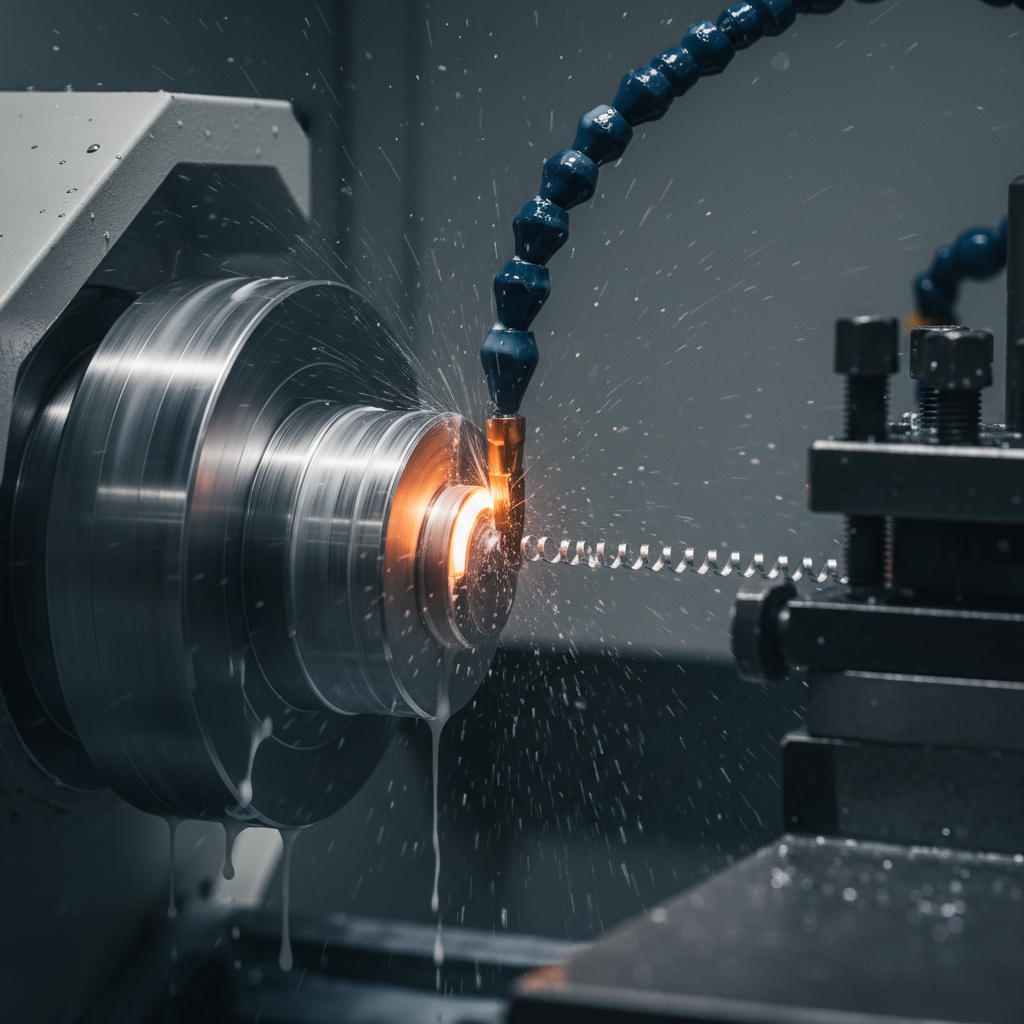
Reviewing an equipment list is a fundamental step in any contract manufacturer checklist, but simply having the tools is not enough. You must evaluate the age, maintenance schedule, and versatility of that machinery. A shop filled with outdated or poorly maintained equipment poses a risk to your project’s timeline and consistency. For example, modern CNC lathes and specialized machining centers are only as effective as the technicians operating them and the rigorous maintenance protocols keeping them within tolerance.
A versatile partner distinguishes themselves by handling more than just generic production. They should demonstrate the capacity to manage everything from individual component production to the assembly of finished goods. This comprehensive approach to manufacturing and production solutions ensures that the design intent is preserved throughout the entire lifecycle of the product. When vetting a facility, ask about their newest technology investments and how those tools improve repeatability for your specific parts. Reliability stems from precision, accountability, and continuous improvement, not just a list of hardware on a PDF. Ensuring the shop can pivot between complex machining and final assembly is vital for products designed to perform in demanding, real-world environments.
2. Design for Manufacturing (DFM) Support
Beyond just operating machinery, a high-quality partner actively refines your product for better results. This process is known as Design for Manufacturing (DFM). A common inquiry among developers is, "What is a DFM checklist?" In practice, it is a set of criteria used to evaluate how easily a product can be manufactured without compromising its function. It focuses on simplifying part geometry, selecting optimal materials, and ensuring tolerances are realistic for high-volume production.
A superior contract manufacturer checklist should prioritize partners who offer this type of engineering alignment. Instead of simply building what they are given, an expert team identifies potential production bottlenecks early. This commitment to practical design ensures that your manufacturing and production solutions are built for durability and real-world usability. When engineering and production are aligned through precision, accountability, and continuous improvement, the transition from prototype to finished goods becomes more efficient, reducing waste and lowering overall unit costs.
3. Proven Quality Control and Repeatability

Quality control must extend far beyond a cursory final inspection. A robust contract manufacturer checklist prioritizes partners who integrate quality at every stage of production. This starts with rigorous in-process documentation and the use of calibrated precision measurement tools to verify tolerances in real time rather than catching errors after a run is complete.
A reliable indicator of operational health is the adherence to a 5S checklist: sorting, setting in order, shining, standardizing, and sustaining. A clean, organized shop floor is not merely about aesthetics; it is a prerequisite for precision, accountability, and continuous improvement. When tools are properly staged and workstations are standardized, the risk of human error or material contamination drops significantly.
Repeatability remains the ultimate test of a production partner. Your 1,000th component must be identical to the first in every dimension, texture, and tolerance. Achieving this level of consistency requires a disciplined approach to manufacturing and production solutions where every variable is controlled and documented. Look for a partner who views accountability as a core value. This ensures that if a deviation occurs, the root cause is identified and corrected immediately, preventing faulty parts from ever leaving the facility. This level of oversight ensures your products perform as intended in demanding, real-world environments.
4. Scalability and Capacity Planning
Assessing growth potential is a vital step in your contract manufacturer checklist. You must determine if a partner can meet current demands while maintaining the flexibility to scale. Inquire directly about standard lead times and their specific protocols for managing sudden spikes in order volume. A reliable manufacturer should provide a clear strategy for resource allocation that prevents bottlenecks during high-demand periods.
While massive facilities offer sheer volume, modest, focused operations provide a unique level of oversight. In a facility like Snow’s Fillmore, Utah shop, smaller-scale production allows for direct alignment between technicians and management. Scalability in this context is about implementing efficient manufacturing and production solutions that transition smoothly from low-volume prototypes to larger production runs. The goal is to scale up without sacrificing the precision, accountability, and continuous improvement required for products used in demanding environments. Verify that the shop’s capacity planning includes rigorous maintenance schedules and skilled labor management to ensure repeatability, regardless of how quickly your production needs grow.
5. Experience in Your Specific Industry or Material
Technical proficiency is only one part of the equation; material and application expertise often determine the longevity of a product. A generalist might follow a print accurately, but a partner who understands the real-world usability of an item knows how specific alloys or polymers behave under stress. When reviewing your contract manufacturer checklist, look for experience with the specific textures and tight tolerances required for your end-use case. If your product requires specific metallic tones or refined surface finishes, the manufacturer must demonstrate they can maintain these characteristics across large batches without deviation.
Durability in demanding environments results from manufacturing and production solutions that account for environmental exposure and mechanical fatigue. Specialized shops align their processes with the intended environment of the finished good. By prioritizing precision, accountability, and continuous improvement, a manufacturer ensures that material selection and machining processes result in a product that resists wear. Choosing a partner with deep material knowledge reduces the risk of field failures and ensures the product performs exactly as designed.
6. Communication and Project Management

A comprehensive contract manufacturer checklist must account for the human element of production management. Technical skill is irrelevant if a communication breakdown causes a three week delay in material procurement. When vetting potential partners, evaluate their responsiveness during the initial discovery phase. If a facility takes days to return a call or provides vague status updates, these behaviors usually indicate a lack of internal organization. These are significant red flags that suggest your project may be sidelined during peak production cycles.
Seek a partner that provides a dedicated point of contact to bridge the gap between your engineering team and the shop floor. Effective project management relies on collaborative problem solving, where technicians and managers work closely with the client to resolve design hurdles or material shortages. At Snow Manufacturing, we prioritize this level of transparency to support precision, accountability, and continuous improvement. Ensuring that managers and technicians are accessible allows for real time adjustments, keeping your manufacturing and production solutions on schedule and within tolerance.
7. Proximity and Logistics: The Advantage of US Based Manufacturing
Geographic proximity is a strategic asset that often gets overlooked on a contract manufacturer checklist. Partnering with a domestic facility, such as Snow Manufacturing in Fillmore, Utah, drastically simplifies supply chain logistics. Unlike overseas operations where finished goods are subject to volatile shipping rates and port delays, a US based partner offers predictable transit times and lower freight costs. This proximity also facilitates face to face site visits. Being able to walk the shop floor and verify that manufacturing and production solutions are being executed correctly provides a layer of oversight that digital photos or video calls cannot replicate.
Accountability is naturally higher when your partner operates in the same time zone and follows the same legal standards. Furthermore, the local culture and work ethic in Utah directly impact the shop’s output. Our technicians bring a disciplined, hands on approach to every project, ensuring that precision, accountability, and continuous improvement are ingrained in the production culture. This regional commitment to craftsmanship results in more durable products and a level of reliability that is difficult to find when sourcing from across an ocean.
8. Financial Stability and Transparency
Logistics and location provide the physical foundation for a partnership, but operational security requires financial stability. A critical item on your contract manufacturer checklist is the fiscal health of the facility. A manufacturer with unstable cash flow may struggle to maintain equipment or procure raw materials, leading to unannounced production halts. Beyond solvency, prioritize transparency in billing and the Bill of Materials (BOM).
A reputable partner provides clear cost breakdowns, showing exactly where your capital is allocated. Refusal to share these details is a significant red flag, often indicating hidden markups or inefficient manufacturing and production solutions. Openness regarding costs fosters precision, accountability, and continuous improvement, ensuring both parties remain aligned on project value and long term reliability.
9. Regulatory Insight and Certifications
Financial transparency establishes internal trust, but regulatory insight provides external validation of a shop's operational standards. A comprehensive contract manufacturer checklist must evaluate a partner’s commitment to ISO standards or relevant industry certifications. Even if your specific product does not require strict government oversight, working with a facility that follows these frameworks demonstrates professional discipline.
Certifications serve as a measurable benchmark for precision, accountability, and continuous improvement. They ensure the shop follows standardized protocols for documentation and material traceability. This systematic approach guarantees that manufacturing and production solutions remain repeatable and defensible. A partner who invests in these standards possesses the internal control necessary to handle complex requirements without compromising quality.
10. Personnel and Skilled Craftsmanship
Technical specifications and certifications are mere documentation without the human element. The final item on any thorough contract manufacturer checklist should be the caliber of the personnel. A shop is only as effective as the technicians who interpret the blueprints and monitor the tolerances. Skilled processes require more than just technical knowledge; they demand a workforce that understands how material behaves under varying stress loads and environmental conditions.
Look for a culture that prioritizes precision, accountability, and continuous improvement. High-quality production occurs when technicians take personal ownership of the output, identifying potential defects before they reach the quality control stage. This commitment to craftsmanship ensures that your manufacturing and production solutions are executed with a focus on real-world durability. A team dedicated to ongoing refinement often discovers efficiencies that static software models miss. To learn more about how our skilled technicians approach complex projects, you can contact our team for an overview of our operational philosophy.
Manufacturing Red Flags to Watch For

Identifying operational risks is just as important as verifying technical capabilities. When applying your contract manufacturer checklist, look for specific warning signs that indicate a lack of discipline. A primary red flag is a lack of documentation. If a facility cannot produce material certifications, maintenance logs, or in-process inspection records upon request, they cannot guarantee precision, accountability, and continuous improvement. Consistency depends on rigorous paper trails; without them, quality becomes accidental rather than engineered.
Poor responsiveness during the discovery phase is another critical indicator. If a shop is slow to answer technical queries or provide quotes, your project will likely face similar bottlenecks during production. Furthermore, scrutinize the equipment and environment. Outdated machinery or a disorganized shop floor suggests a manufacturer that prioritizes short term savings over long term reliability and real-world usability.
The inability to share transformation stories is a telling sign of a lack of process. A reputable partner should be able to clearly demonstrate how they move a project from raw material to finished goods, highlighting their specific manufacturing and production solutions. Finally, listen to how they describe past projects. If a manufacturer frequently blames previous clients or poor designs for their own production failures, it reveals a deflective culture that avoids responsibility. To see how a transparent, accountability-driven facility operates, you can contact our team to discuss your project requirements.
Finding the right production partner is about balancing technical capability with reliable communication. This checklist highlights the critical factors that ensure your project transitions smoothly from design to delivery. If the selection process feels complex, you might consider collaborating with a team that prioritizes these standards every day. You can learn more about our commitment to manufacturing excellence to see how we align with your specific goals. We are here to simplify your supply chain and provide the consistent quality your brand deserves.